Table of Contents
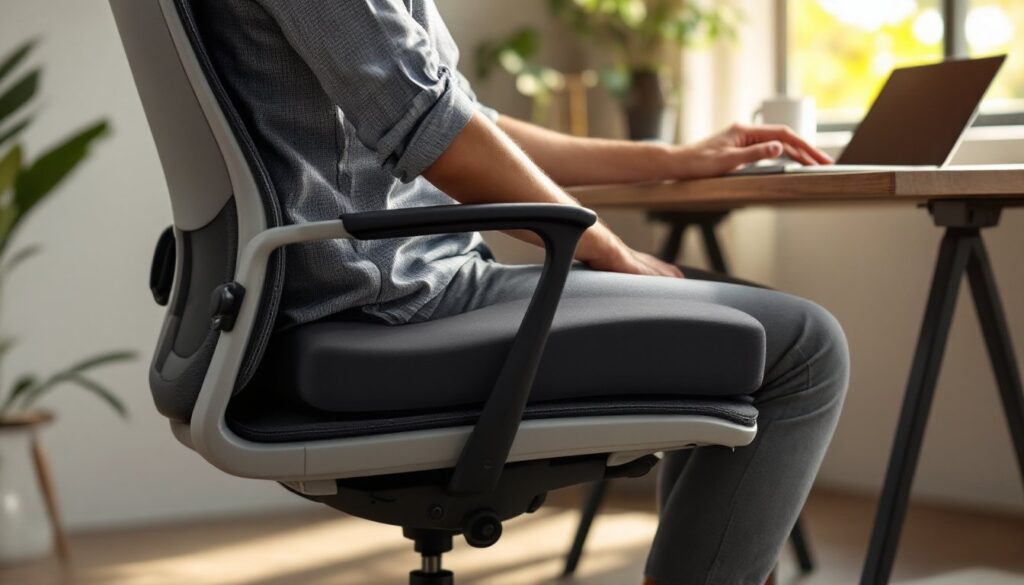
ToggleIf you’re spending eight or more hours a day sitting in an office chair, the difference between a mediocre cushion and a quality ergonomic seat cushion is the difference between comfort and chronic back pain. Home office workers often overlook this simple upgrade, focusing instead on fancy desks or monitors, but the truth is that your body spends most of its contact time with the chair itself. An ergonomic seat cushion for your office chair isn’t just about feeling better during the workday, it’s about protecting your spine, improving posture, and reclaiming the energy you’d otherwise lose to discomfort. This guide walks you through what makes a cushion truly ergonomic and how to pick the right one for your specific needs.
Key Takeaways
- An ergonomic seat cushion for office chairs redistributes weight, reduces pressure on your tailbone, and encourages better spinal alignment, preventing chronic back pain from prolonged sitting.
- High-density memory foam (5 pounds per cubic foot or higher) is the industry standard and resists bottoming out longer than budget alternatives, making it a worthwhile investment at $40–$150.
- Match your cushion choice to your specific pain points—tailbone sensitivity requires coccyx cutouts, while general discomfort needs overall support and proper cushion density.
- Proper installation, adjustment period, and maintenance (vacuuming weekly, washing removable covers monthly, and storing flat) extend an ergonomic seat cushion’s lifespan to 3–5 years.
- Measuring your office chair’s seat depth before purchasing ensures the cushion fits properly and maintains correct posture alignment for maximum comfort and productivity.
Why Ergonomic Seat Cushions Matter for Home Office Setup
Your office chair cushion is where the rubber meets the road, literally the point where your body interfaces with your work environment. Most standard office chairs come with flat, generic foam padding that compresses quickly and offers minimal support. Over months or years, sitting on insufficient cushioning can lead to poor posture, reduced blood flow to your legs, and pressure points that translate into lower back pain.
An ergonomic seat cushion redistributes your weight more evenly, reduces pressure on your tailbone and sit bones, and encourages better spinal alignment. Studies have shown that workers using proper cushioning report fewer instances of lower back discomfort and greater overall focus during the day. Because you’re at home, you can’t rely on an office facilities manager to upgrade equipment, it falls on you to make the investment yourself.
The cost is modest compared to the price of physical therapy or a new $800 office chair. A quality cushion typically runs $40–$150, and many people find it pays for itself within months through improved comfort and productivity. Think of it as preventive maintenance for your body.
Key Features to Look for in an Office Chair Cushion
Material and Support Quality
Memory foam is the industry standard for good reason, it responds to your body’s heat and weight, molding to your unique shape. But, not all memory foam is equally dense. Cushions made with high-density memory foam (5 pounds per cubic foot or higher) last longer and resist bottoming out than budget foam. Lower-density versions feel okay initially but flatten within a year.
Gel-infused memory foam adds about 20–30% to the price but reduces the “heat trap” problem that frustrates some users. If you’re prone to sweating or live in a warm climate, it’s worth the extra cost. Alternatively, layered cushions that pair memory foam with a breathable gel layer offer a good middle ground.
For people with specific issues, like tailbone sensitivity or severe sciatica, specialized cushions with a coccyx cutout (a small notch or opening at the back) reduce direct pressure. These aren’t for everyone, but if you have targeted pain, this feature can be a game-changer. You’ll find these mostly in medical-grade cushions, which run $80–$200 but come backed by clinical testing.
How to Choose the Right Cushion for Your Needs
Assessing Your Comfort Priorities
Start by identifying your pain points, literally. Sit in your current chair and notice where you feel discomfort after 30–60 minutes. Is it your tailbone? Your lower back? Your entire backside? This observation guides your feature priorities.
For tailbone-specific pain, prioritize cushions with coccyx cutouts or donut-shaped contours. For general posterior chain discomfort, focus on overall support and density. For side sleepers or people who shift often, you want a denser cushion that resists slumping on one side.
Also consider your existing chair. A budget $100 office chair won’t benefit as much from a $150 cushion as a decent mid-range chair would. Conversely, if you have a high-quality ergonomic office chair with poor cushioning, a $100+ cushion is a smart investment. Match cushion quality to your chair’s overall tier.
Height and fit matter too. If your office chair has a fixed depth of 16 inches, a 20-inch cushion will hang off the back, look awkward, and throw off your posture. Measure your seat depth before shopping. Most cushions come in standard office sizes (17–18 inches wide, 16–17 inches deep), but specialty shapes exist for different chairs.
Installation and Maintenance Tips
Installation is straightforward but often overlooked. Unbox your cushion and let it air out for a few hours, memory foam can smell like chemicals fresh from packaging. Place it directly on your office chair seat, centered and level. If your chair has a non-slip fabric or doesn’t grip well, you can add a thin rubber mat underneath (contact cement or spray adhesive works: test on a hidden spot first).
Take the first day slow. Sit for 30 minutes, take a break, then another session. Your body needs time to adjust to the new support profile. What feels odd on day one often feels natural by day three. If after a full week you’re still uncomfortable, check alignment: your feet should be flat on the floor, thighs parallel to the ground, and the cushion fully supporting your sit bones without tilting.
Maintenance extends cushion life significantly. Vacuum or brush off dust weekly using a soft attachment. If your cover is removable, wash it monthly in cool water with mild detergent. Spot-clean spills immediately with a damp cloth and mild soap, never submerge the core foam. If the cover isn’t removable, wipe down with a slightly damp microfiber cloth as needed. Avoid direct sunlight for extended periods, as UV exposure breaks down foam and fabric. Most quality cushions last 3–5 years with proper care: neglected ones flatten in 12–18 months.
Store cushions flat in a cool, dry place if you need to pack one away. Rolled or folded storage can permanently crease memory foam and degrade its support properties.
Conclusion
An ergonomic seat cushion is one of the simplest, most cost-effective upgrades you can make to your home office. The investment pays dividends in comfort, posture, and productivity, benefits that compound over months and years. Whether you’re dealing with existing pain or preventing future problems, the key is matching the cushion’s features to your body’s actual needs rather than chasing the most popular option. Take time to assess your priorities, choose based on material quality and contour, and commit to proper maintenance. Your future self, sitting comfortably through another eight-hour workday, will thank you.