Table of Contents
ToggleIf you’re spending eight or more hours sitting down, your chair matters more than most people realize. A cheap office chair might save you $200 upfront, but it’ll cost you in back pain, poor posture, and lost productivity. The good news? You don’t need to spend $1,000 on a premium ergonomic chair to find comfort. Finding the most comfortable office chair for long hours without very costly is entirely doable if you know what features actually matter and where to look. This guide walks you through the essentials, so you can make a smart choice that supports your body and your budget.
Key Takeaways
- A comfortable office chair for long hours under $300 is achievable by prioritizing lumbar support, adjustability, and quality cushioning rather than unnecessary features.
- Poor seating posture during 8+ hour work days leads to chronic back pain, neck tension, and reduced productivity—making an affordable office chair a health investment, not a luxury.
- Essential features to look for include adjustable lumbar support, proper seat depth (2-3 inches from knee to edge), high-density foam cushioning, and 3D adjustable armrests.
- Mesh chairs offer breathability and lower costs, while fabric upholstered and tilt-function task chairs provide better cushioning and pressure relief—choose based on your office temperature and work style.
- Proper chair setup (seat height, lumbar positioning, armrest alignment, and desk alignment) is equally important as the chair itself, with noticeable comfort improvements appearing within the first week.
- Regular movement breaks every hour, even with the best chair, prevent muscle fatigue and spinal compression during long work sessions.
Why Chair Comfort Matters for Long Work Hours
Sitting in the wrong chair for 8+ hours daily isn’t just uncomfortable, it’s a long-term health issue. Poor seating posture compounds over time, leading to lower back strain, neck tension, and wrist pain that can develop into chronic problems.
Your chair acts as your foundation at work. A seat that doesn’t support the natural curve of your spine forces your muscles to compensate, burning energy you should be using on actual tasks. Over weeks and months, this creates fatigue that no amount of coffee can fix.
Comfort also directly affects focus and output. You’re more productive when you’re not constantly shifting positions to find a tolerable spot or rubbing your lower back between meetings. Office Comfort Products designed with ergonomics in mind aren’t luxuries, they’re investments in your health and performance. The right chair pays for itself in reduced soreness, better concentration, and fewer sick days tied to back or neck issues.
Key Features To Look For In Budget-Friendly Office Chairs
When scanning chairs under $300, focus on the features that actually matter. Avoid getting distracted by leather upholstery, racing-style designs, or extra features you won’t use.
Lumbar Support And Ergonomic Design
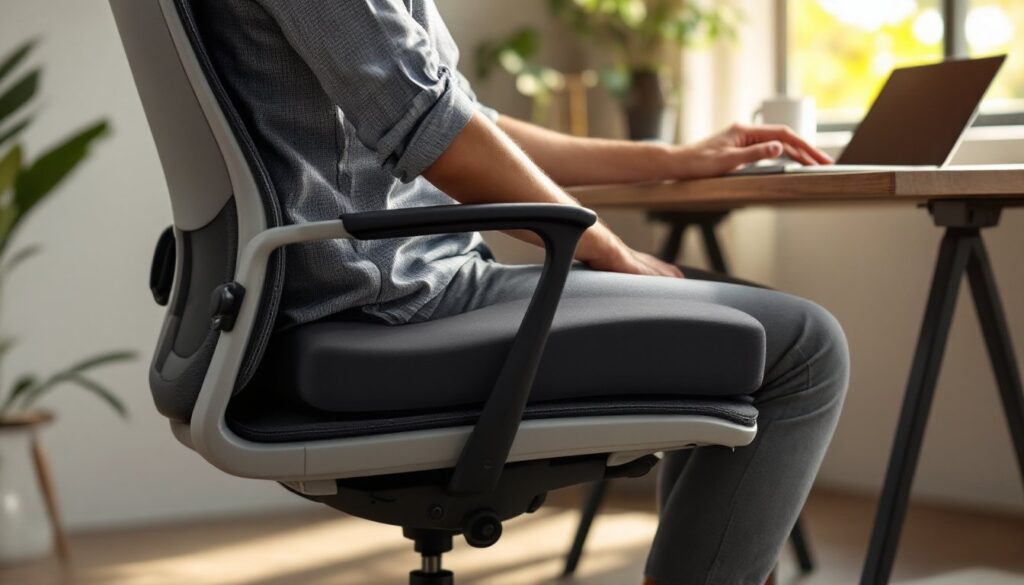
Lumbar support is non-negotiable. This is the inward curve in your lower back, and your chair needs to support it properly. Many affordable chairs offer adjustable lumbar support via a knob or lever on the back, this lets you dial in support to match your body’s shape. If a budget chair claims “ergonomic design” but doesn’t mention lumbar adjustment, skip it.
The seat depth matters too. Ideally, sit back in the chair with your spine against the backrest and measure the gap between the back of your knees and the seat edge. You want about 2 to 3 inches of space: anything less cuts off circulation to your legs, and anything more leaves your lower back unsupported. Generic chairs often get this wrong.
A high-density foam cushion (at least 2 to 3 inches thick) prevents bottoming out after a few months of daily use. Cheap chairs use thin foam that compresses like a pancake within weeks.
Seat Height Adjustability And Armrest Quality
Your feet should rest flat on the floor with knees at roughly 90 degrees when sitting at desk height. If the chair can’t reach your ideal height, it’s the wrong fit. Pneumatic height adjustment (a lever under the seat) is standard and reliable, look for smooth, stable operation.
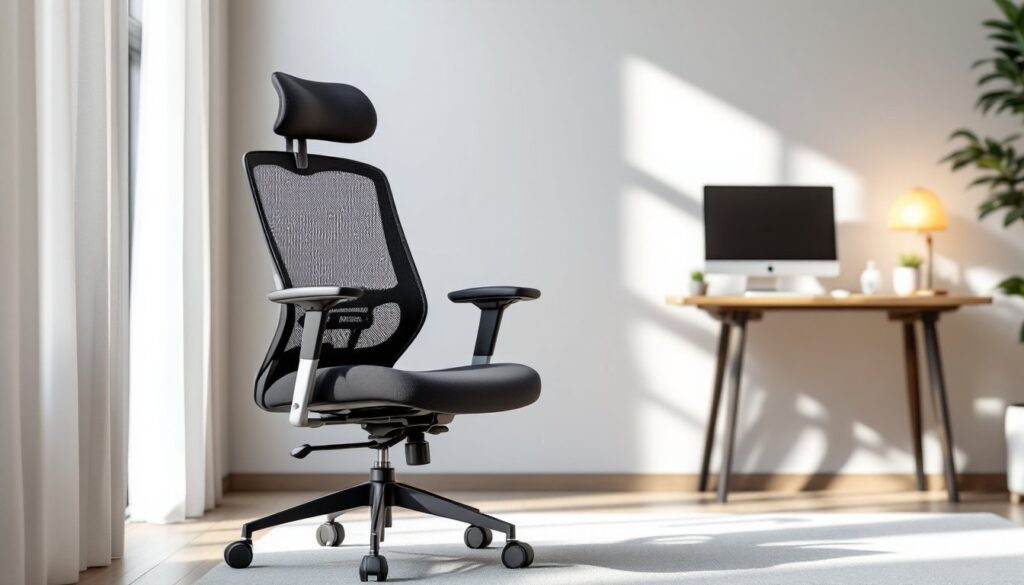
Armrests often get overlooked, but they’re critical for shoulder and neck health. Fixed armrests that don’t adjust to your desk height will force your arms to strain or won’t work at all. The best budget chairs include 3D adjustable armrests, height, width, and angle. At minimum, seek height and width adjustment. Your elbows should rest at roughly 90 degrees with your forearms parallel to the floor.
When testing a chair in person or reading reviews, check for armrest padding that doesn’t compress flat after a week. Cheap plastic armrests with no padding are a deal-breaker for all-day sitting.
Top Affordable Office Chair Styles And Their Benefits
Three main styles dominate the sub-$300 market, each with trade-offs:
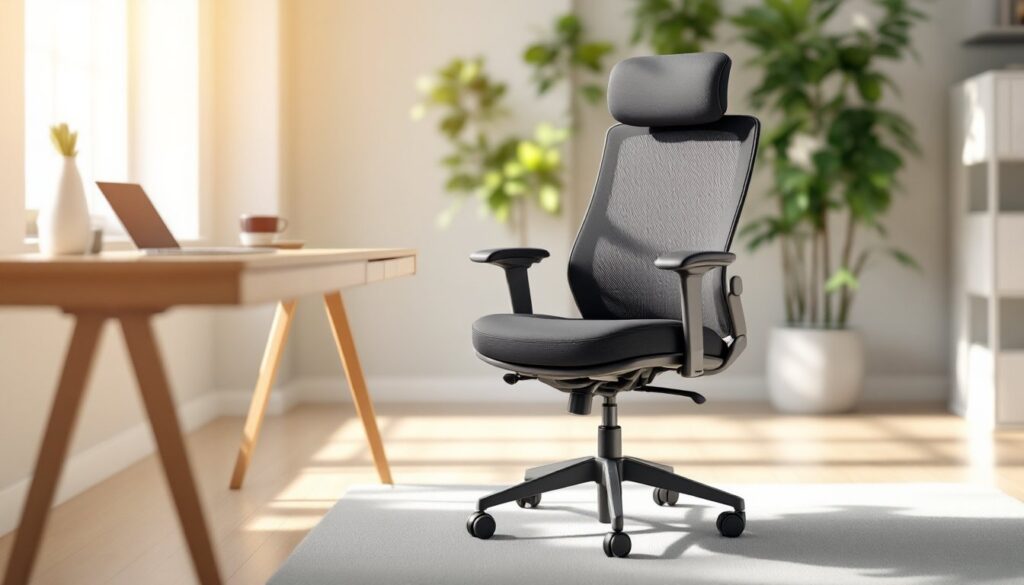
Mesh Chairs breathe well and are lightweight, making them ideal if your office runs warm or you move your desk around. Mesh doesn’t trap heat or moisture, and they’re often the cheapest option. The downside is that mesh can sag faster than fabric, and some people find it less cushioned. Look for high-density mesh and reviews that mention durability after 6+ months.
Fabric Upholstered Chairs offer more cushioning and a softer feel than mesh. They’re quieter and usually look more professional in video calls. They don’t breathe as well, though, so they’re better for cooler offices. Stain resistance matters here, look for performance fabric or microsuede that resists spills.
Task Chairs with Tilt Functions let you recline slightly, which reduces pressure on your lower back during focused work. A tension knob adjusts how easily the chair tilts, so you can lock it in place or allow subtle movement. This feature is common in chairs $150-250 and genuinely helps during long stretches.
Reviews on best office chairs frequently highlight models that combine mesh breathability with adequate lumbar support for under $300. Before buying, check whether the base is 5-star with casters (wheels) suitable for your flooring, carpeted offices need different caster types than hard floors.
How To Set Up Your Chair For Maximum Comfort
Buying the right chair is half the battle: setting it up correctly is the other half. Most people never adjust their chairs beyond rolling them into position.
Step 1: Adjust Seat Height
Sit with your feet flat on the floor. Your knees should be at roughly 90 degrees, and your thighs should be parallel to the ground. If your feet dangle, add a footrest (even a low stool works). Use the pneumatic lever to lock your height in place once it’s right.
Step 2: Set Lumbar Support
Move the lumbar adjustment knob or dial to match the curve of your lower back. You shouldn’t feel like the chair is pushing you out: instead, it should fill the gap and provide gentle support. This is personal, what works for one person might feel wrong for another. Spend 30 minutes adjusting and re-adjusting until it feels natural.
Step 3: Position Armrests
Adjust height so your elbows rest at 90 degrees when your hands are on the keyboard. Width adjustment brings the armrests closer or farther apart to match your shoulder width. Many people set them too high (forcing their shoulders up) or too wide (creating a reach). Your upper arms should hang naturally.
Step 4: Align Your Desk Setup
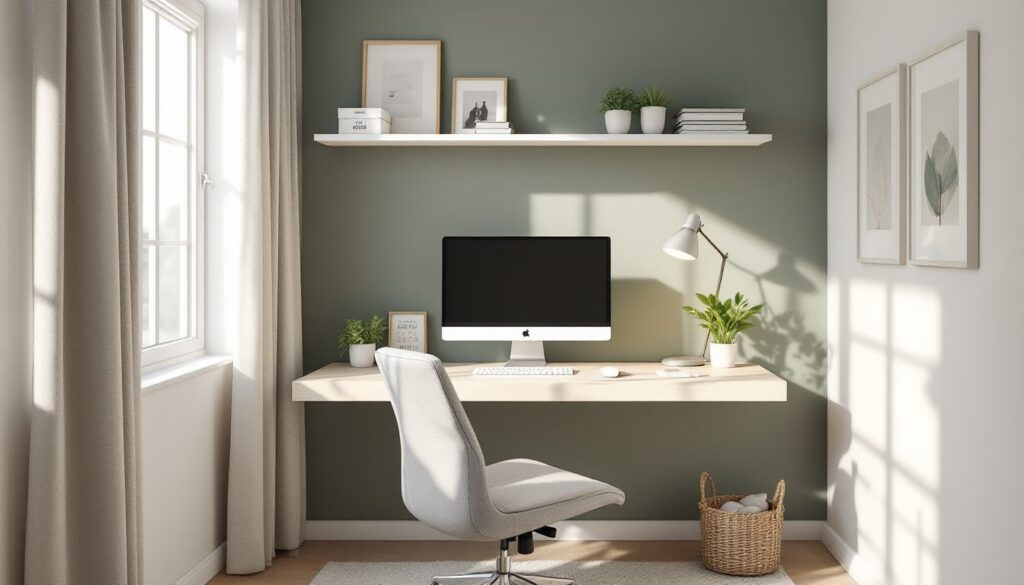
Your monitor should be arm’s length away at eye level when you’re sitting upright. Your keyboard and mouse should be at elbow height. A custom office setup that pairs your chair height with proper desk positioning prevents the hunching and twisting that kills your posture.
Step 5: Take Movement Breaks
Even the best chair isn’t meant for uninterrupted 8-hour sessions. Stand, stretch, and walk for 5 minutes every hour. Movement prevents your muscles from locking up and keeps blood flow steady. Many newer chairs include a tilt-lock feature, use it to gently recline during phone calls, which reduces spinal compression.
Conclusion
A comfortable, affordable office chair doesn’t require a five-figure budget or obscure specialty brands. Focus on lumbar support, adjustable features, and quality cushioning. Take time to set up your chair properly and pair it with a home office desk that supports good posture. When you invest in the right seating and take setup seriously, you’ll notice the difference in energy, focus, and back pain, usually within the first week.