Table of Contents
ToggleIf you’re spending eight hours a day in the same chair, your back and neck are going to have opinions about it. A standard office chair gets the job done, but a heated massage office chair transforms that time from endurable to actually comfortable. Heat eases muscle tension, massage promotes blood flow and reduces fatigue, and together they’re a simple upgrade that pays dividends on your productivity and well-being. Whether you’re working remotely full-time or grinding through back-to-back meetings, the right chair with integrated heat and massage features can make a real difference in how you feel by day’s end.
Key Takeaways
- An office chair with heat and massage reduces muscle tension and fatigue by increasing blood circulation and promoting relaxation throughout the workday.
- Infrared heating elements that warm muscles directly and adjustable massage intensity levels—including lumbar, mid-back, and shoulder zones—deliver the most versatile and effective relief.
- Heat and massage therapy boost productivity and well-being by improving focus, mood, and sleep quality while reducing recurring pain and postural imbalances.
- Proper setup with correct chair height, lumbar support alignment, and a level floor ensures heating and massage zones target the right areas for maximum effectiveness.
- Starting with low intensity and using the built-in timer (typically 15 minutes) with consistent sessions prevents overuse and extends the lifespan of your heated massage office chair.
Why Heat and Massage Features Matter for Home Office Comfort
Your body isn’t designed to sit motionless for eight hours straight. Tight shoulders, lower back pain, and general stiffness are occupational hazards of desk work. Heat therapy works by increasing blood circulation to muscle tissues, which reduces tension and speeds recovery from fatigue. Massage, even gentle vibration from a built-in motor, breaks up knots and encourages muscle relaxation without you having to book an appointment or leave your desk.
Think of it like this: you wouldn’t run a long distance without warming up first. Your muscles need activation and care, especially when they’re supporting your posture all day. A chair with both features lets you address discomfort as it happens, not after work ends. That means fewer headaches, less lower back pain, and more focus during the workday. You’re not just buying comfort, you’re investing in sustained productivity and your physical health.
Key Features to Look For in a Heated Massage Office Chair
Heating Technology and Temperature Control
Not all heating systems are created equal. Look for infrared heating elements, they warm your muscles directly rather than just warming the air around you, so you feel the benefit faster. Temperature control matters too. A range of about 95°F to 110°F is standard and safe for prolonged use: anything hotter risks discomfort or skin irritation.
Check whether the heating zones are adjustable. A chair that warms only the lumbar region is less versatile than one covering the lower back and seat. Some premium models let you control heat independently on left and right sides, useful if one shoulder gets tighter than the other. Also confirm that the heating element is built into the upholstery or cushion, not just a heating pad you strap on, which shifts and creates hot spots.
Massage Intensity Levels and Customization
Massage motors vary widely in power and pattern. Shiatsu-style massage uses concentrated pressure points and is excellent for knots: wave massage creates rolling motions that mimic kneading. A good chair offers at least three intensity levels so you can dial it down if vibration feels too strong or ramp it up when you need deeper relief.
Look for massage zones that target problem areas. A chair with lumbar, mid-back, and shoulder massage nodes gives you more flexibility than one focused only on the lower back. Some chairs let you choose which zones activate, so you’re not paying for redundant motion if only your neck needs work. Also check the timer, a 15-minute auto-shutoff is standard and safe, preventing overuse that can irritate muscles. Models offering adjustable session lengths (10, 15, 20 minutes) give you more control over your routine.
Top Benefits of Adding Heat and Massage to Your Daily Work Setup
The immediate benefit is obvious: relief from muscle tension. But there’s more happening beneath the surface. Heat increases dopamine and serotonin production, which lifts mood and reduces stress. Better mood means fewer distractions, less emotional fatigue, and more patience with deadlines and difficult tasks.
Muscle recovery happens faster too. Sedentary workers often develop postural imbalances, tight chest and front shoulders, weak mid-back, that contribute to poor posture and recurring pain. Regular heat and massage sessions don’t replace exercise, but they do keep muscles supple enough that movement feels easier. You’re less likely to lock up by the end of the day, which means you can actually exercise after work instead of collapsing.
There’s also a sleep benefit. Muscle relaxation before bed primes your nervous system for rest. A quick massage session an hour before sleep can genuinely improve sleep quality, which ripples through everything else: concentration, immune function, even appetite regulation. Recent studies on wellness products show that office comfort products that boost productivity extend well beyond just the hours you’re sitting. A chair that combines heat and massage becomes part of your overall recovery routine, not just a seating surface.
How to Set Up and Use Your Heated Massage Office Chair
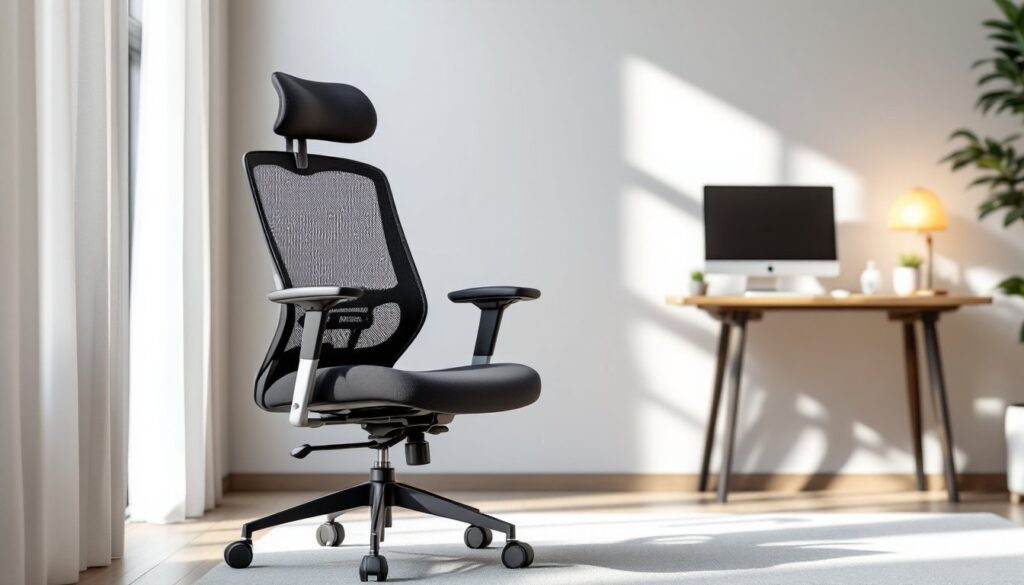
Setup is straightforward for most models, but don’t skip the foundation. Your chair sits on a base that rolls, so before plugging in any heated elements, verify that the chair is on a level, hard floor. Carpet can muffle wheel movement and throw off balance. Assemble the backrest and armrests according to the manual, these aren’t cosmetic: they support proper ergonomics and distribute your weight so the heating and massage elements work effectively.
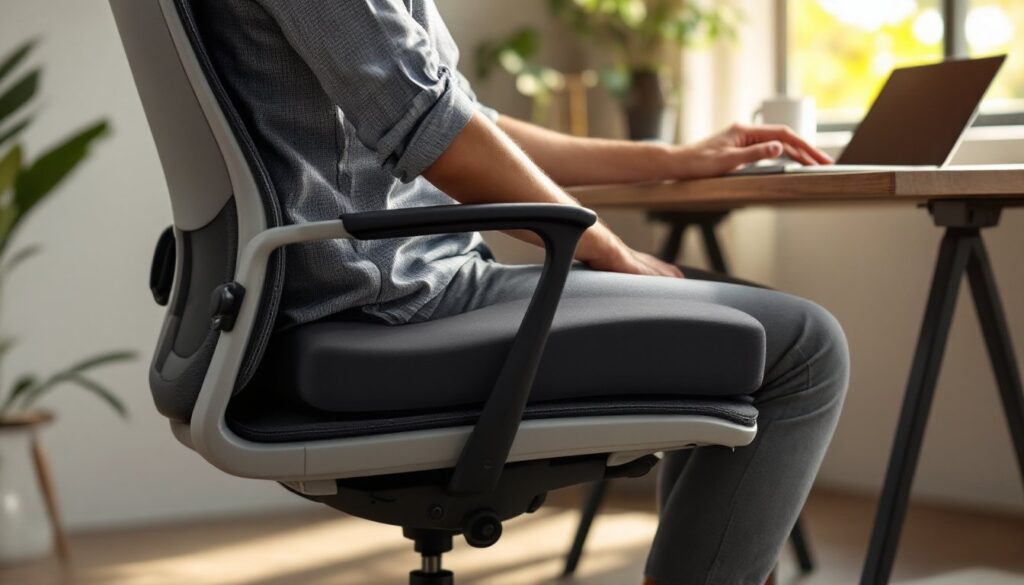
Once assembled, adjust the chair’s height so your feet rest flat on the floor and your knees sit at about 90 degrees. The lumbar support should meet your lower back’s natural curve: if it’s too high or low, the heating zones won’t cover the right area and massage will feel off-target. Most chairs have adjustable lumbar depth, use it.
When you turn on heating and massage for the first time, start at low or medium intensity. Your muscles need time to acclimate to the sensation, and low intensity is less likely to cause irritation. Use the chair’s timer rather than guessing duration: 15 minutes is typically enough for meaningful relief without overuse. Many users find a routine works best, a 10-minute session mid-morning and another in early afternoon, before fatigue peaks.
For maintenance, wipe down the upholstery monthly with a damp cloth to keep heating elements and massage nodes clear of dust. Check that all power cords are secure and undamaged. If heating or massage stops working, unplug the chair immediately and consult the manual before troubleshooting: electrical issues should be handled by a technician, not guesswork. Professional reviews of the best massage chairs available emphasize that proper use and maintenance extend the lifespan of the motor and heating elements significantly.
Conclusion
A heated massage office chair isn’t a luxury, it’s a practical investment in your comfort and productivity. The combination of heat therapy and massage addresses real physical stress that eight hours of sitting creates. With the right features, proper setup, and consistent use, you’ll notice fewer aches, better focus, and genuine improvement in how you feel throughout your workday. If your current chair is just a place to sit, it’s time for an upgrade that actually supports your well-being.