Table of Contents
ToggleSetting up a home office that works as hard as you do means investing in furniture that supports both productivity and your body. A high back leather office chair isn’t just a place to sit, it’s the foundation of your workspace, especially if you’re spending eight hours or more at your desk. The right chair can reduce back strain, improve focus, and honestly, make you feel more professional in your own home. This guide walks you through what to look for in a quality leather office chair and how to choose one that fits your space and budget.
Key Takeaways
- A high back leather office chair supports your entire spine and can last 8-10 years with proper maintenance, making it a valuable long-term investment for home offices.
- Full-grain leather is the highest quality option for durability and patina development, while bonded leather is cheaper but won’t withstand daily office use over time.
- Ergonomic features like adjustable seat height, lumbar support, and armrests that position elbows 1-2 inches below your seating position are essential for reducing back strain during long workdays.
- Leather office chairs demand minimal but consistent care—weekly dusting, immediate spill blotting, and annual conditioning—to prevent cracking and maintain their professional appearance.
- Position your leather office chair away from direct sunlight and maintain humidity between 40-55% to preserve the leather’s flexibility and prevent fading or hardening over time.
- Match your high back leather office chair’s color and base style to your desk and décor—cognac or tan leather complements warm wood, while black leather suits contemporary metal and minimalist designs.
Why High Back Leather Office Chairs Are Worth the Investment
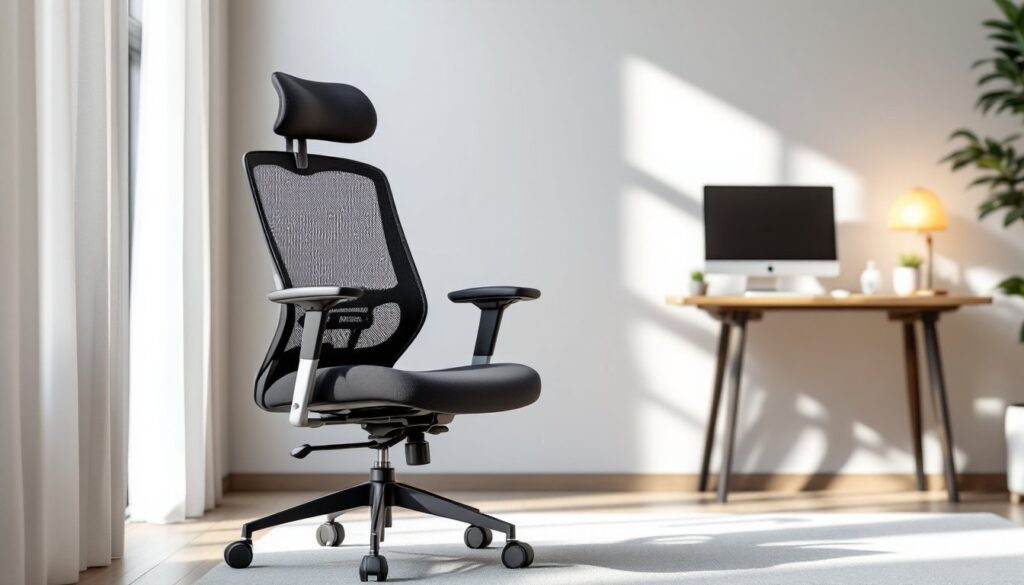
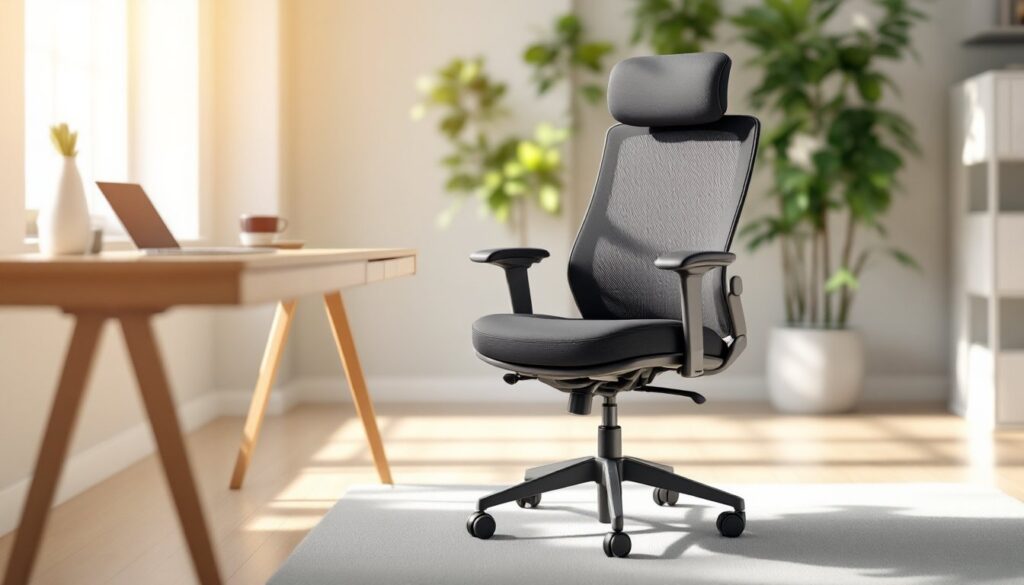
A high back leather office chair does more than look polished, it’s engineered for long workdays. The high back design supports your entire spine, from your lower lumbar region up through your shoulders and neck. Unlike shorter mesh chairs, this coverage matters when you’re sitting for six to eight hours straight.
Leather holds up differently than fabric. It doesn’t trap dust, pet hair, or sweat the way mesh does, which makes it easier to wipe down and maintain over years of use. Leather also conforms slightly to your body over time, creating a more customized feel. That said, genuine leather is a real material commitment, it costs more upfront and requires proper care to age well.
From a home office perspective, leather reads as intentional and professional. It adds a layer of sophistication that signals you take your work seriously, whether you’re in video calls or hosting clients. The investment typically pays off in durability. A quality leather office chair can last 8-10 years with proper maintenance, whereas cheaper fabric chairs might need replacement in 3-5 years.
Key Features to Look For When Choosing a High Back Leather Chair
Leather Quality and Durability Considerations
Not all leather is created equal. Full-grain leather is the highest quality, it retains the hide’s natural surface and develops a rich patina over time. It’s also the most expensive. Top-grain leather is sanded smooth and more uniform in appearance, making it easier to clean but less durable than full-grain. Below that, you’ll find bonded leather, which is scraps mixed with polyurethane, it’s cheaper but won’t hold up well in a high-use office chair.
When shopping, check the product description carefully. Manufacturers sometimes use vague terms like “genuine leather” without specifying the grade. Ask for clarity before buying. Genuine leather will feel warm and slightly flexible: it develops character marks and patina. Faux leather (polyurethane or PVC) looks the part initially but cracks and peels with UV exposure and repeated sitting. If you’re in a sunny room, leather quality becomes even more critical because sun exposure accelerates aging.
Look for a thickness rating too. Leather upholstery should be at least 1.2 to 1.5 millimeters thick on a chair meant for daily use. Thinner leather will puncture or tear more easily, especially if you have pets or live with kids.
Ergonomic Design and Support
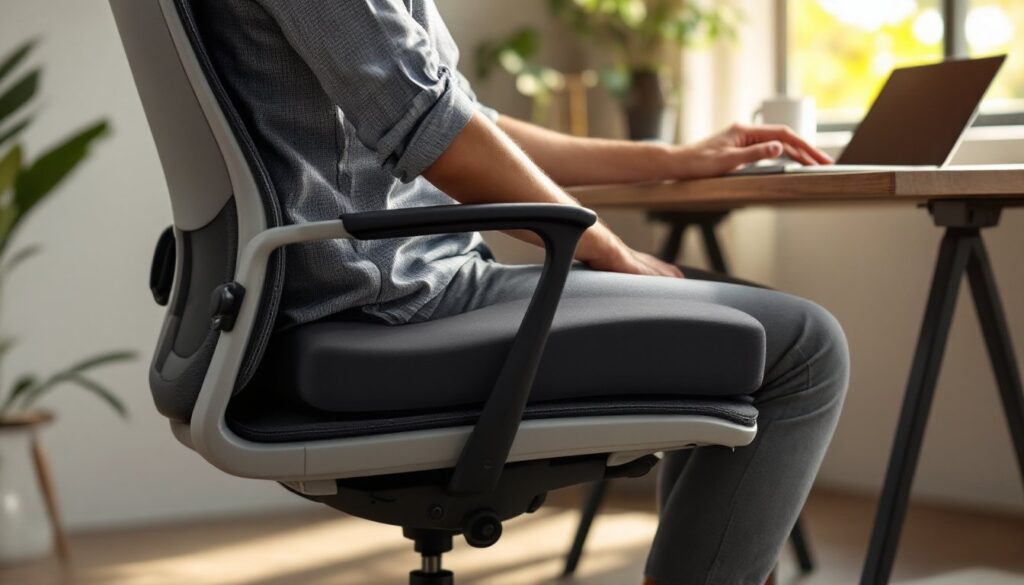
A high back is only useful if the chair supports your actual ergonomic needs. Check that the seat height is adjustable, your feet should rest flat on the floor or a footrest with your knees at a 90-degree angle. Armrests matter too. They should adjust in height (ideally 1-2 inches below your elbows when seated) and possibly pivot inward or outward. Some premium models offer adjustable armrest depth, which helps if you’re typing or using a mouse for hours.
Look for a chair with lumbar support adjustment, not just a generic curve. Being able to dial in lower back support to your spine’s shape makes a real difference in reducing strain. Tilt tension and recline functions let you shift positions throughout the day, staying in one posture, even a good one, fatigues muscles. A reclining high back chair keeps your neck and shoulders supported even when you lean back.
Seat padding density is worth investigating. A chair that feels cushy in the store might bottom out after a few months. Medium-density foam (about 2-3 inches) with a firm base layer typically balances comfort and longevity better than overly soft padding.
How to Integrate a Leather Office Chair Into Your Home Office Décor
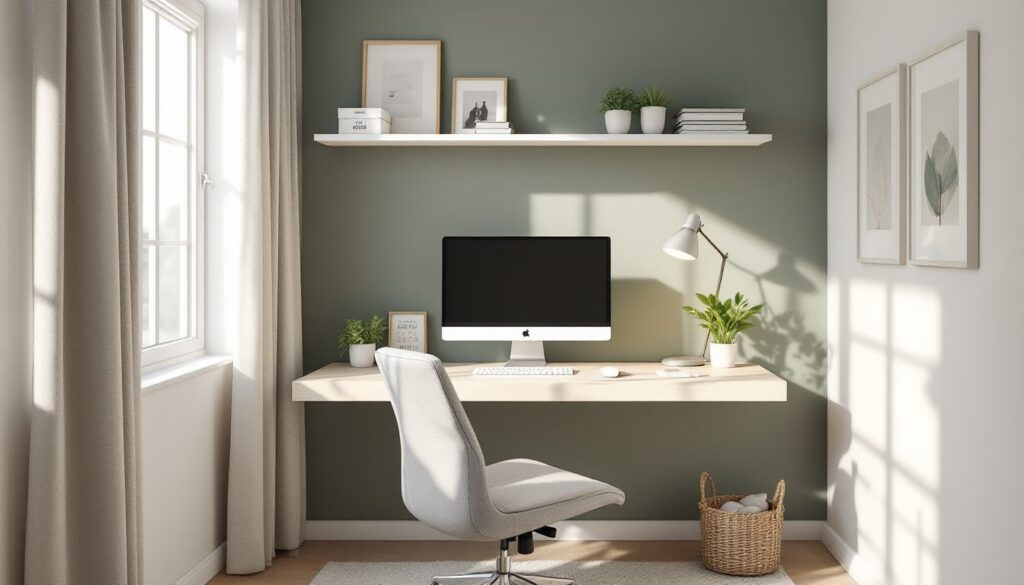
Leather office chairs work with most home office styles, but intentional placement and pairing matter. A cognac or tan leather chair pairs naturally with warm wood desks and earthy accents. Charcoal or black leather reads more contemporary and works with sleek metal desks or minimalist setups. The key is treating the chair as a design anchor, not afterthought.
Consider the rest of your workspace. If your desk is glass-topped and modern, a sleek black leather chair reinforces that aesthetic. If you’re working with a traditional wooden desk, a brown or caramel leather chair echoes classic office design. Explore resources like design inspiration sites that showcase how pros style office spaces with statement seating.
The chair’s base and casters matter visually too. Chrome and polished metal bases feel contemporary: matte black or bronze reads warmer. Some leather office chairs come with wood bases, which bridge transitional and traditional styles. Don’t overlook casters either, they should move smoothly across your flooring (hardwood, tile, or carpet) without leaving marks.
Lighting affects how the leather looks. Under warm ambient light, leather glows: under harsh fluorescent light, it can look dull. If you’re still setting up your office, layer your lighting with a desk lamp, overhead fixture, and perhaps a standing lamp to showcase the chair’s finish and texture. You can also draw inspiration from curated home design platforms that let you browse real office setups and pin ideas.
Maintenance and Care Tips for Long-Lasting Leather Furniture
Leather office chairs demand a bit more attention than fabric ones, but the payoff is worth it. Start with regular dusting. Use a soft, dry cloth weekly to wipe the chair and remove dust and debris. This prevents particles from settling into the leather’s pores.
Spills happen. Blot them immediately with a clean, lint-free cloth. Never rub or scrub, that pushes liquid deeper into the leather. For water-based spills, blot and let air dry. For greasy spills (like coffee with cream), use a leather-specific cleaner. Test any cleaner on a hidden area first: some commercial cleaners strip leather’s natural oils or cause discoloration.
Once or twice a year, condition your leather with a quality leather conditioner. This replenishes natural oils, prevents cracking, and maintains flexibility. Full-grain leather particularly benefits from conditioning. Top-grain leather can go longer between treatments because it’s sealed. Apply conditioner sparingly, too much makes leather slick and attracts dirt. Follow the product instructions closely.
Keep the chair out of direct sunlight if possible. UV exposure fades and hardens leather over time. If your office gets sun, position the chair in shade or use window treatments to filter intense light. Also monitor humidity. Leather likes 40-55% relative humidity. Very dry air can cause cracking: very humid air can encourage mildew. If you live in an extreme climate, a humidifier or dehumidifier in your office helps.
And finally, check your office comfort products inventory regularly. Pair your leather chair with a good chair cushion or lumbar pillow if support slips over time. These accessories are easier and cheaper to replace than reupholstering a chair or buying a new one.
Conclusion
Choosing a high back leather office chair for your home workspace is a decision that affects your comfort, health, and daily work experience. By understanding leather grades, prioritizing ergonomic support, and committing to basic maintenance, you’ll end up with a chair that genuinely earns its spot in your office for years to come. The investment pays dividends in reduced fatigue, improved posture, and a workspace that reflects the professionalism you bring to your work.