Table of Contents
ToggleA modern leather office chair isn’t just furniture, it’s the foundation of productivity and comfort in your workspace. Whether you’re setting up a dedicated home office or upgrading your existing setup, the right chair makes a measurable difference in how you feel during an eight-hour workday. Today’s leather office chairs blend timeless sophistication with ergonomic innovation, offering designs that fit contemporary interiors while supporting your body. This guide walks you through what separates a quality modern leather office chair from the rest, what features matter most, and how to keep your investment looking sharp for years to come.
Key Takeaways
- A modern leather office chair combines ergonomic innovation with contemporary design, featuring adjustable lumbar support, intuitive tilt mechanisms, and clean lines that complement home office aesthetics.
- Genuine full-grain leather offers superior durability and develops character over time, while vegan leather and polyurethane alternatives provide low-maintenance, cruelty-free options that resist UV fading.
- Proper ergonomic features—including adjustable armrests, seat depth, and height range—are essential for spinal health and reducing strain during long work sessions.
- Color and base finish selection should align with your desk material and office style: warm cognac leather pairs with light wood, while black leather suits dark furniture and industrial aesthetics.
- Regular maintenance—weekly dusting, conditioning genuine leather every 6–12 months, and immediate spill cleanup—extends your modern leather office chair’s lifespan and preserves its appearance.
- Invest in a quality modern leather office chair as a design statement and long-term productivity tool, as proper selection and care reduce waste and keep your workspace cohesive for years.
What Makes a Modern Leather Office Chair Different
Modern leather office chairs depart from their stiff corporate ancestors in meaningful ways. Today’s versions combine natural or premium synthetic leather with engineering that prioritizes lumbar support, adjustability, and aesthetic cohesion with contemporary home design.
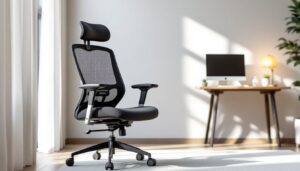
The key distinction lies in how form follows function without sacrificing style. Older office chairs often featured bulky bases and blocky proportions: modern designs use sleek metal frames (aluminum or steel), cleaner lines, and leather that complements minimalist or mid-century aesthetics. A modern leather office chair typically incorporates a tilt mechanism that’s intuitive, breathable leather or vegan alternatives that don’t trap heat, and base options, from polished chrome to matte black, that coordinate with home office furniture.
Material choice matters significantly. Genuine leather develops a patina over time and ages gracefully, while bonded or synthetic leather options offer easier maintenance and durability at lower price points. Premium modern chairs also include sealed stitching, reinforced seams, and frames constructed from kiln-dried hardwood or high-grade metal, reducing wobble and extending the chair’s lifespan.
Key Features to Look For When Choosing Your Perfect Chair
Ergonomic Design and Support
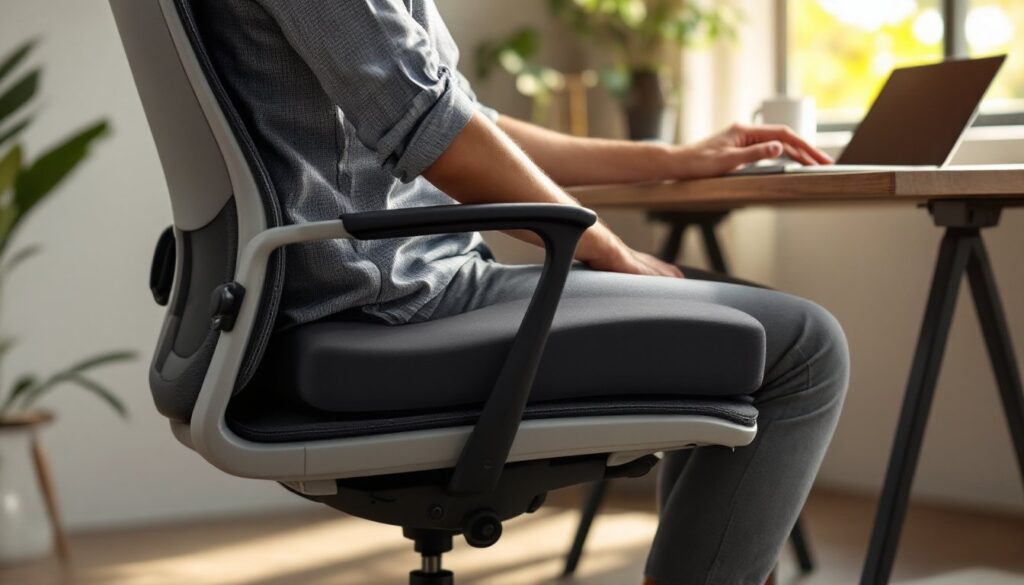
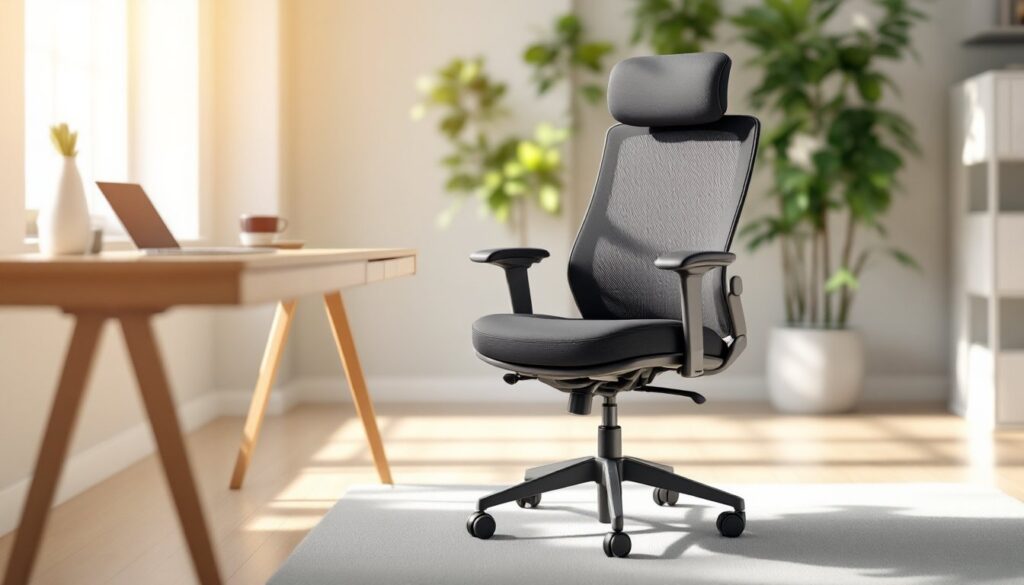
Proper ergonomics aren’t optional, they’re essential for spinal health during long work sessions. A quality modern leather office chair should offer adjustable lumbar support that moves with your lower spine’s natural curve. Look for chairs with seat depth adjustability (typically 16–18 inches for average adults) so you can position yourself without pressure behind your knees.
Arm height matters too. Your elbows should rest at roughly 90 degrees when seated, with forearms parallel to your desk. Chairs with fully adjustable armrests, not just height but also width and angle, let you dial in the perfect fit. Seat tilt and tension adjustments allow you to recline slightly without feeling like you’re falling backward: this reduces strain on your neck and shoulders during focused work.
Height range is a practical consideration often overlooked. If you’re particularly tall or short, verify the chair’s minimum and maximum seat height. A modern leather office chair should feel supportive without requiring constant postural correction.
Leather Quality and Durability
Genuine leather is the gold standard for comfort and longevity. It develops character as it ages, resists pilling, and breathes better than most synthetics. But, it requires regular conditioning and can stain if not sealed properly.
Bonded leather, a blend of genuine leather shavings and polyurethane, offers a compromise: it looks and feels similar to genuine leather but costs less. The trade-off is durability: bonded leather tends to crack or flake after 5-7 years of heavy use.
Full-grain leather is the densest, most durable genuine option. It shows natural markings and imperfections, adding character. Top-grain leather is sanded smooth and more uniform in appearance but slightly less durable than full-grain.
For modern home offices seeking low-maintenance options, vegan leather and high-quality polyurethane (PU) leather have improved dramatically. They’re cruelty-free, easier to wipe clean, and resist UV fading better than genuine leather. When evaluating any chair, check the manufacturer’s warranty on the leather, this often indicates confidence in material longevity. Office Comfort Products That offers detailed comparisons of materials used in contemporary seating options.
Design Styles That Complement Modern Home Offices
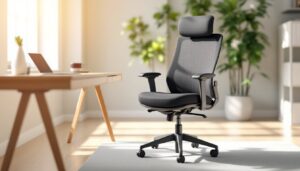
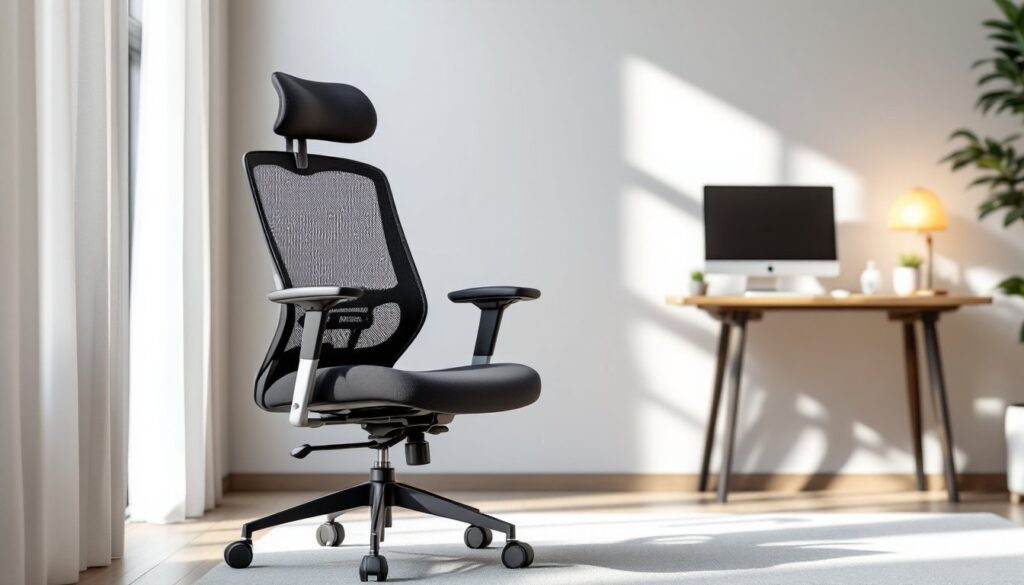
A modern leather office chair should feel at home in your specific environment, not clash with your décor aesthetic. Contemporary design homes benefit from chairs with minimal ornamentation, clean lines, and neutral leather tones, black, charcoal, cognac brown, or cream.
Mid-century modern enthusiasts should seek chairs with tapered wooden legs, modest padding, and warm-toned leather that echoes vintage craftsmanship. These pairs naturally with credenzas and desks from that era while feeling modern. Industrial-style offices work well with black or brown leather paired with exposed metal frames or cast-iron bases.
The base style signals design intent. Polished chrome or aluminum bases feel contemporary and reflect light, while matte black or bronze finishes read more grounded. Wooden legs (walnut, oak, or beech) warm up neutral leather and suit transitional or organic-modern spaces.
Color coordination matters subtly but significantly. If your desk is white oak or light wood, a warm caramel or cognac leather bridges the gap. Dark walnut or ebony desks pair beautifully with deep charcoal or black leather. Light gray or cream leather works across most palettes but shows dust more readily.
Recent contemporary furniture reviews highlight how modern leather office chairs are increasingly treated as design statements, not afterthoughts. Home Office Furniture for provides curated selections across style categories if you’re evaluating options that align with your design vision.
Caring for and Maintaining Your Leather Office Chair
Proper maintenance extends your modern leather office chair’s lifespan and keeps it looking sharp. Dust weekly with a soft microfiber cloth, this prevents grit from embedding in leather grain and scratching the surface.
For genuine leather, condition every 6–12 months with a leather-specific cream or balm. This keeps the material supple and prevents drying and cracking. Use sparingly and buff thoroughly to avoid a greasy appearance. Test any conditioning product on an inconspicuous spot first.
Spills require immediate action. Blot (don’t rub) with a dry cloth. For water-based spills, use a barely damp cloth and let the chair air-dry away from direct heat or sunlight. For oil or ink, consult the manufacturer’s care guide before attempting removal, some stains need professional treatment.
Avoid placing your chair in direct sunlight for extended periods. UV exposure fades leather and can cause synthetic materials to become brittle. If your home office has large windows, consider lightweight curtains or a chair cover during off-hours.
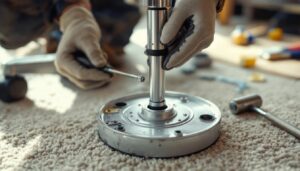
For bonded or PU leather, stick to gentle cleaning with lukewarm water and mild soap. These materials don’t need conditioning but benefit from moisture control: avoid excessive dampness. Inspect stitching, joints, and the tilt mechanism annually. Loose bolts or squeaking mechanisms indicate it’s time for a tune-up, typically a quick tightening at no cost.
Seat cushion degradation is common after 5–10 years of daily use. Some manufacturers offer replacement cushions: this can breathe new life into an otherwise solid frame. Modern home décor designers often emphasize that quality furniture is worth maintaining because longevity reduces waste and keeps your space cohesive as trends evolve.
Conclusion
Selecting a modern leather office chair requires balancing ergonomics, material quality, and design alignment. Prioritize comfort features, lumbar support, adjustability, and proper proportions, because no chair looks good if you’re shifting uncomfortably every twenty minutes. Understand leather grades and durability to match your budget and maintenance tolerance. Finally, choose a design and finish that feels intentional in your space: a well-selected chair elevates your entire home office aesthetic. With the right modern leather office chair and consistent care, you’re investing in years of productive, comfortable work at home.