Table of Contents
ToggleIf you’re setting up or upgrading a home office, you’ve probably discovered that a decent chair isn’t cheap, but a bad one costs you in neck pain, back strain, and lost productivity. The Serta executive office chair has become a solid middle-ground option for homeowners and DIY enthusiasts who want ergonomic support without the $1,000-plus price tag of premium brands. This review breaks down what makes Serta chairs worth considering, how they compare on comfort and durability, and whether they’re the right fit for your workspace. Whether you’re spending eight hours a day at a desk or just need a reliable seat for occasional work, understanding what this chair delivers, and its limitations, will help you make an informed choice.
Key Takeaways
- The Serta executive office chair provides ergonomic support at a mid-range price point ($200–$550), making it an excellent choice for home-office workers seeking comfort without premium brand costs.
- Proper chair support directly impacts productivity and health; the Serta executive office chair is designed with high-back support, lumbar molding, and adjustable seat height to maintain proper spinal alignment during long work sessions.
- Choose your Serta model based on your height, daily work duration, and climate needs—taller users need high-back designs, frequent users benefit from thicker cushioning, and warm environments call for breathable mesh upholstery.
- With regular maintenance (monthly vacuuming, immediate spill cleanup, and biannual mechanical checks), a Serta executive office chair will deliver 3–5 years of reliable use before replacement becomes necessary.
- Compared to premium office chairs costing $800+, the Serta executive office chair offers better value for most home-based workers unless you have pre-existing back issues or work 10+ hours daily.
Why Comfort Matters in Your Home Office Setup
Working from home means your chair is no longer something you sit in for a few hours before heading to a conference room, it’s your workspace companion for 8, 10, sometimes 12 hours a day. Poor seating leads to a cascade of problems: lower back pain, shoulder tension, wrist strain, and reduced focus. Over weeks and months, this adds up to real physical wear.
Comfort and proper support aren’t luxuries: they’re foundational to productivity. When you’re not fighting a chair that doesn’t support your lumbar spine or constantly adjusting because the seat is too high, you can concentrate on actual work. That’s where ergonomic features matter. Office comfort products that boost productivity are increasingly important as remote work becomes standard, your chair choice directly impacts both your health and your output.
A good office chair should support the natural curve of your spine, allow your feet to rest flat on the floor (or a footrest), and let your arms sit at a 90-degree angle to your desk. The Serta executive office chair is designed with these basics in mind, making it a practical starting point for anyone transitioning to a home office or upgrading from a folding chair.
Key Features of Serta Executive Office Chairs
Ergonomic Design and Support
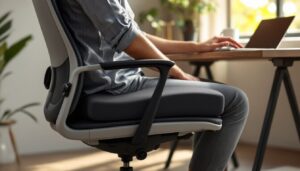
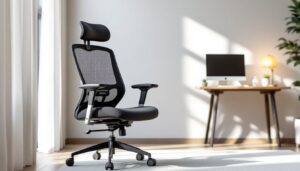
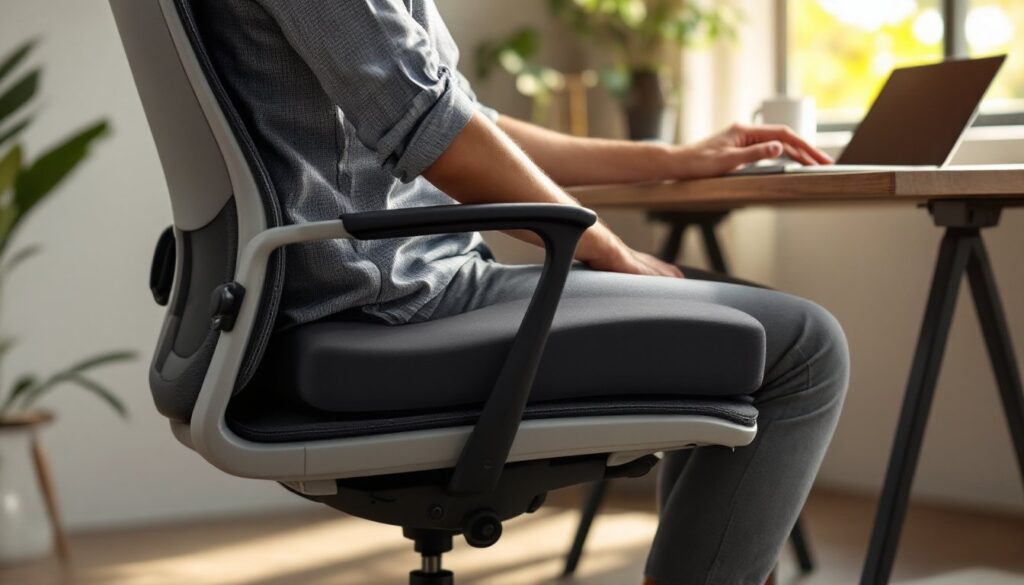
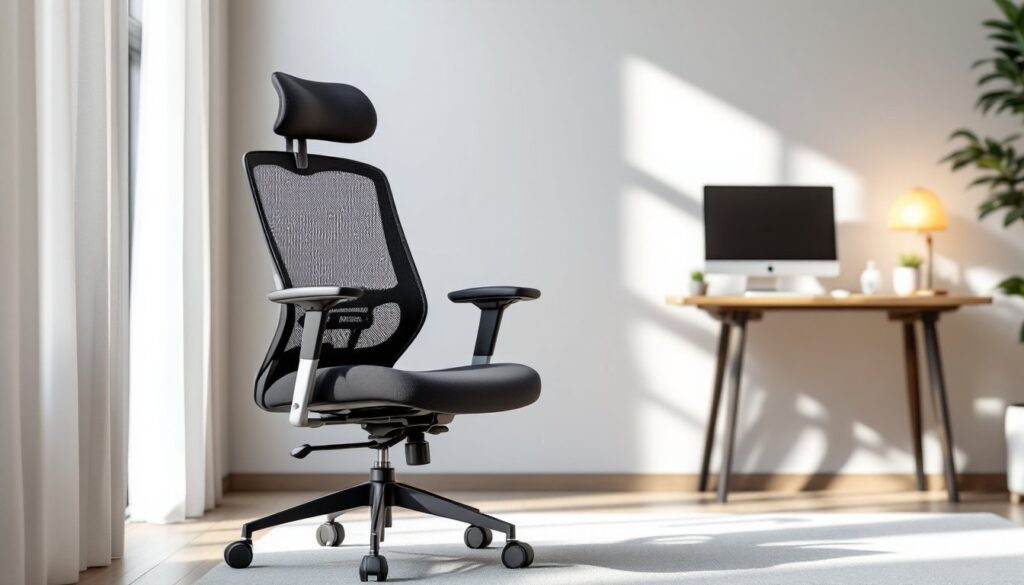
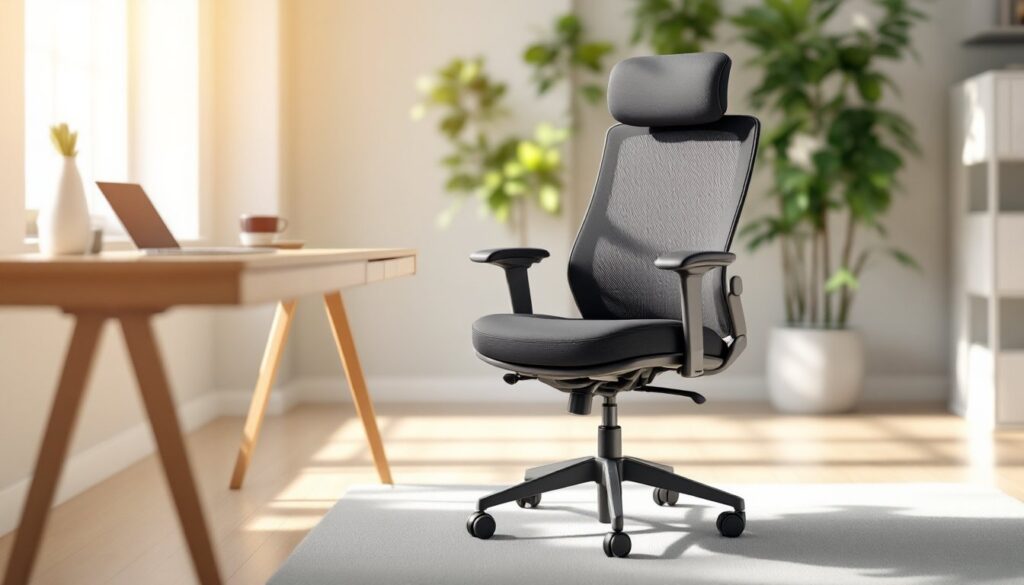
Serta executive chairs typically feature a high-back design that extends to mid-shoulder height, providing neck and upper-back support during those long work sessions. The lumbar support is built into the backrest, not adjustable on all models, but molded to match the lower spine’s contours. Seat height adjustment is standard across the range, usually via pneumatic gas cylinder, so you can dial in the height to match your desk and arm angle.
Most Serta executive models include padded armrests that help take weight off your shoulders during typing or when you’re reaching across the desk. Tilt tension controls let you lock the backrest in place or allow slight recline, depending on your preference. Some higher-end Serta models add tilt-lock mechanisms and multidirectional armrests, but the core ergonomic bones remain consistent.
One thing to note: standard lumbar support works well for average body types, but if you have significant back curvature issues, you might need an aftermarket lumbar pillow. The Serta isn’t a medical-grade orthopedic chair, so set expectations accordingly.
Materials and Build Quality
Serta executive chairs typically use a combination of high-density foam cushioning on the seat and back, wrapped in fabric or mesh upholstery. Fabric options usually include polyester blends (durable and easy to clean) or breathable mesh (better for temperature control if you run warm during long work sessions). The base is heavy-duty nylon or plastic, and the casters are rated for smooth rolling on hard floors and low-pile carpet.
The frame is typically constructed from steel or heavy-gauge plastic, which keeps weight down while maintaining stability. Serta chairs usually support users up to 250–300 pounds, depending on the specific model, check the specs before purchasing. Build quality is solid for the price point: these aren’t chairs that fall apart after a year. They’re mid-range in durability: you’ll get 3–5 years of reliable use with normal office wear, though cosmetic wear (fraying seams, fabric fading) may show earlier with heavy daily use.
Comparison note: premium designer office chairs use premium leather and hardwood frames, which justifies the higher cost, but for a home office where you’re the only user, Serta’s mesh and foam approach is practical and holds up fine. Contemporary furniture reviews often highlight that mid-range chairs like Serta offer better value than budget options, without the premium price tag.
How to Choose the Right Serta Chair for Your Space
Serta offers several executive chair models, they vary in back height, cushioning density, armrest adjustability, and material. To pick the right one, start with your primary use case and body dimensions.
Height and back support: If you’re taller (over 6 feet), look for models labeled “high-back” with deep cushioning: they’ll support your shoulders without leaving your head unsupported. For average height (5’4″ to 5’10”), standard executive models work fine.
Work duration: If you’re in the chair 8+ hours daily, invest in a Serta model with thicker cushioning and better lumbar molding, usually found in their “premium” or “executive pro” lines. Part-time users can comfortably go with a basic executive model.
Climate control: Mesh upholstery breathes better and runs cooler: fabric holds warmth. If your home office gets warm or you tend to get sweaty during focused work, mesh is the smarter choice.
Floor type: Make sure the casters match your flooring. Hard-floor casters are designed for wood and tile: carpet casters have wider treads to grip pile. Using the wrong type will cause rolling friction or, conversely, slipping on smooth floors.
Budget and comparison: Entry-level Serta executive chairs run $200–$350, mid-range models $350–$550. At these price points, they compete well against generic “gaming chairs” and cheap import brands. Premium office brands (Herman Miller, Steelcase) start around $800 and go much higher, but unless you have existing back problems or plan to sit 10+ hours daily, that premium isn’t necessary for home use.
Maintenance Tips to Keep Your Chair in Top Shape
A Serta executive chair will last longer and stay comfortable if you maintain it properly. Start with basic care: vacuum the seat and back monthly to remove dust and debris (use an upholstery attachment on your vacuum). For spills on fabric, blot immediately with a damp cloth and mild soap: don’t rub or use harsh cleaners, which can damage the weave. Mesh upholstery can handle a bit more scrubbing, a soft brush and warm water work well for stubborn spots.
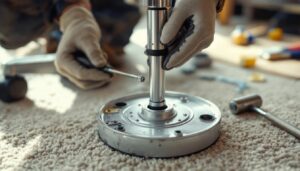
Mechanical maintenance: Every six months, check the tilt tension and make sure the pneumatic cylinder (the part that holds seat height) isn’t leaking. If the chair slowly sinks after you adjust it, the cylinder is failing, this is a common wear item and can be replaced for $40–$80. Lubricate the base casters with silicone spray if they start to squeak or stick.
Armrest care: Padded armrests compress over time. If yours flatten out, you can apply a vinyl repair patch to protect the fabric from further tearing, or replace the armrests entirely if your model allows it (not all do).
Positioning matters: Don’t lean heavily to one side, and don’t tip the chair back on two wheels, these habits accelerate wear. Keep the chair on a hard floor or a low-pile rug: high-pile carpet can make rolling difficult and puts stress on the casters and base.
With basic care, your Serta executive office chair should remain comfortable and structurally sound for 3–5 years. When you do notice persistent squeaking, loss of cushioning, or caster damage, those are often the first signs that replacement is coming.
Conclusion
The Serta executive office chair strikes a practical balance for home-office users who want comfort and support without very costly. It’s not a medical device, and it won’t transform your workspace into a luxury retreat, but it will keep your back supported, your posture stable, and your focus sharp through a full workday. If you’re upgrading from a dining chair or a cheap swivel seat, the difference will be noticeable. For most home-based workers, a mid-range Serta model delivers solid durability, honest ergonomics, and a price that makes sense. Just match the specific model to your height, work duration, and climate, and keep up with basic maintenance to extend its life.