Table of Contents
ToggleOffice chairs are essential to any home workspace, but they come with a downside: those wheeled casters can scratch hardwood, dent laminate, and snag carpet fibers faster than you’d expect. Every time you roll backward or swivel, you’re potentially damaging the flooring beneath. Fortunately, floor protectors for office chairs are a straightforward, affordable solution that can save thousands in flooring repairs. Whether you’re protecting pristine hardwood, engineered floors, or delicate carpeting, understanding the right protector for your space makes all the difference. This guide covers everything from why protection matters to installation and budget-friendly alternatives.
Key Takeaways
- A floor protector for office chairs costs $5–$40 but can save thousands in flooring repairs, with hardwood refinishing alone running $1,500–$3,500 or more.
- Choose hard-floor protectors (polyurethane or rubber wheels) for wood and laminate or carpet protectors (softer rubber or nylon) for pile fabrics—mixing types worsens damage and chair performance.
- Installation is DIY-friendly: adhesive-backed pads require simple wheel cleaning and pressing, while replacement casters need unscrewing or pulling the old wheel and twisting on the new one.
- Quality floor protectors distribute weight over a wider surface area, reducing concentrated pressure and improving rolling smoothness while decreasing strain on your back during repositioning.
- Replace office chair floor protectors every 1–2 years when wheels flatten or adhesive loses grip, as worn protectors concentrate pressure again and cause more harm than good.
- Budget-friendly alternatives like felt pads or DIY plywood mats work temporarily on carpet, but commercial-grade protectors offer superior durability and performance for long-term floor protection.
Why Office Chair Floor Protectors Matter
Office chair casters are small, hard wheels designed for rolling efficiency, not floor preservation. When concentrated weight bears down on a single point and moves across your floor, the damage compounds quickly. Hardwood floors develop visible gouges and scratches: carpet fibers get crushed or torn: tile and stone can chip or develop stress marks over time.
The financial case is simple: a single floor protector costs $5 to $40, while repairing or refinishing damaged hardwood can run $1,500 to $3,500 or more, depending on the extent. Even carpet repair or replacement adds up. A floor protector distributes the chair’s weight over a wider surface area, dramatically reducing concentrated pressure. Think of it as insurance, cheap now, invaluable later.
Beyond damage prevention, protectors also improve rolling smoothness. Quality floor protectors reduce friction, so your chair glides more easily across the floor. This is especially noticeable on carpet, where standard casters can stick and catch. Better mobility means less strain on your back and shoulders when repositioning throughout the day. Protection and ergonomics go hand in hand.
Types of Floor Protectors for Office Chairs
Hard Floor Protectors vs. Carpet Protectors
Floor protectors fall into two main categories based on your flooring type, and using the wrong type can actually worsen the problem.
Hard floor protectors are designed for wood, laminate, vinyl, and tile. They typically feature polyurethane or rubber wheels (or smooth plastic bases) that roll smoothly without scratching. Hard floor wheels are denser and harder than carpet wheels because they need to minimize friction on slick surfaces. Popular options include polyurethane casters (the gold standard for hardwood) and soft-tread rubber wheels (great for laminate and vinyl). These protectors usually have a wider base or a ball-bearing design to distribute weight evenly.
Carpet protectors use softer rubber or nylon wheels specifically designed for pile fabrics. They grip carpet to prevent the chair from sliding uncontrollably while still allowing smooth rolling. Some include a carpet-safe base plate, a flat, reinforced pad that sits beneath the wheel assembly. This spreads weight across a larger area than the wheel alone. Carpet protectors often come as replacement caster wheels (which swap out entirely) or caster cups (plastic or rubber dishes that sit under standard wheels).
Mixing types is a common mistake. Using hard-floor wheels on carpet causes the chair to slip and slide: using carpet wheels on hardwood creates sticky, jerky movement and won’t prevent damage. Choose based on your primary flooring, not your décor.
For mixed-surface spaces (carpet in one area, wood in another), a mid-range option like felt-lined hard floor protectors provides a compromise, though neither surface gets ideal performance.
How to Choose the Right Floor Protector for Your Space
Start by identifying your flooring type. Run your hand across the surface: does it feel like wood or look like a wood veneer (hardwood or engineered hardwood)? Does it feel plastic-smooth (laminate or vinyl)? Is it soft and textured (carpet)? Each requires different protection logic.
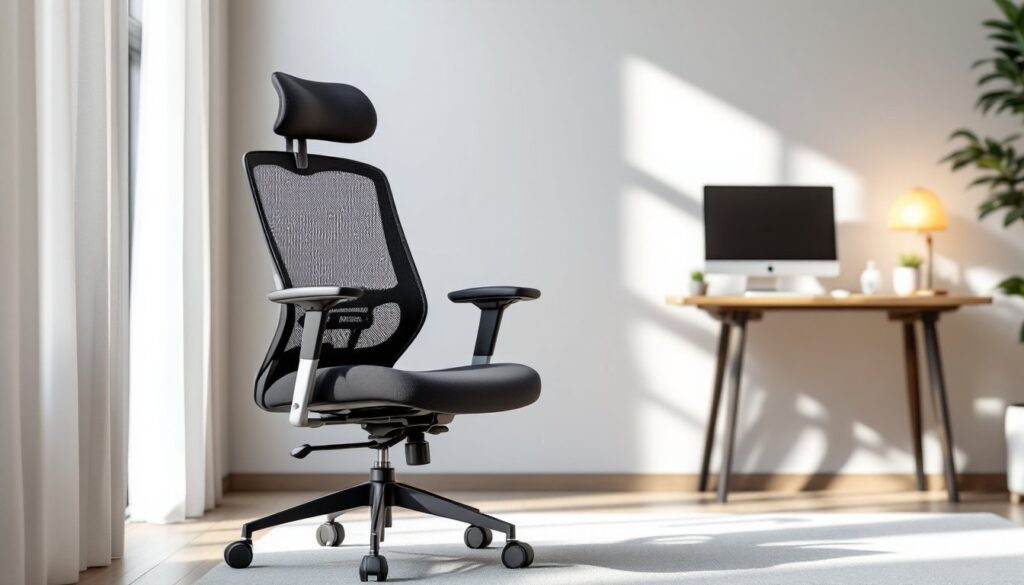
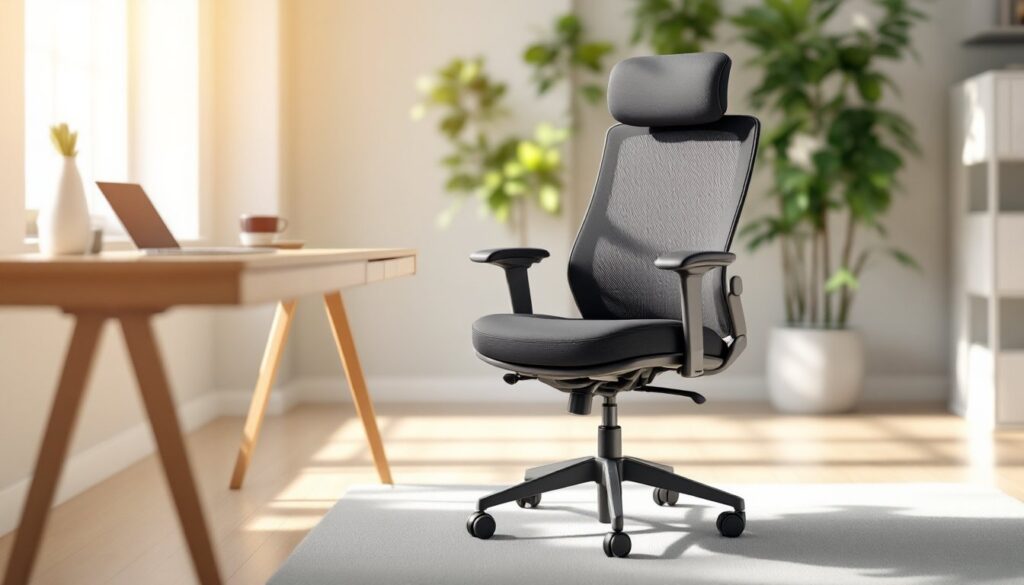
Next, examine your office chair’s caster setup. Most standard office chairs use standard 2-inch casters (measured by wheel diameter), but some ergonomic or gaming chairs use 3-inch wheels. Check the caster stem, is it a threaded post (unscrews from above) or a grip ring stem (pulls straight out)? This determines whether you need replacement wheels or adhesive-backed pads.
Consider the chair’s weight and your movement patterns. A lightweight chair (under 200 lbs) exerts less pressure, so a basic plastic caster cup may suffice on carpet. A heavier chair or one that rolls frequently benefits from thicker, higher-quality protectors. If you move your chair constantly for access or repositioning, invest in smooth-rolling wheels: if it stays mostly in one spot, a stationary mat works fine.
Budget and permanence matter too. Adhesive-backed protector pads are cheap ($8–$15 for a set) and removable, making them ideal for rentals. Replacement caster wheels cost more ($20–$40) but last longer and provide better performance. For maximum peace of mind, a office comfort products setup that includes both chair and floor protection creates a cohesive workspace. Finally, measure the floor area your chair covers in its normal range, this helps you decide between spot protectors for wheels only or a full chair mat.
Installation and Maintenance Tips
Installation varies by protector type, but all are DIY-friendly.
Adhesive-backed caster pads are the simplest. First, clean the bottom of each wheel with a dry cloth to remove dust and debris (this prevents the adhesive from failing). Peel the backing and press firmly for 10–15 seconds. The wheel should roll freely: if adhesive residue sticks to your floor, you applied it to the wrong surface. Let cure for 24 hours before rolling the chair.
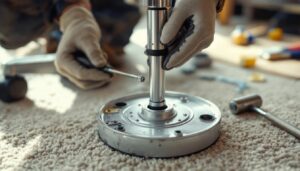
Replacement wheels require a bit more effort. Tip the chair sideways and locate where each caster stem connects to the chair base. If it’s a threaded stem, unscrew by turning counterclockwise (usually by hand, sometimes with a wrench if it’s tight). If it’s a grip ring stem, pull firmly upward, it may require two hands. Slide the new caster onto the stem, align it vertically, and twist clockwise (or push down until it clicks, depending on type). Test the roll before sitting down.
Maintenance is minimal but essential. Dust and hair accumulate on wheels and carpet-protector bases, creating drag. Wipe wheels monthly with a dry cloth. On carpet, lift the chair and use a vacuum attachment on the base pad. For sticky residue from old adhesive pads, rubbing alcohol and a plastic scraper work well, don’t use sharp metal on hardwood floors.
Replace protectors when wheels flatten or adhesive loses grip (usually every 1–2 years, depending on use). A worn protector does more harm than good because its reduced surface area concentrates pressure again. Store old protectors in a drawer: you may need them if you move furniture or swap chairs.
DIY Alternatives and Budget-Friendly Solutions
If you’re in a pinch or prefer a one-time fix, several household items work temporarily.
Felt or furniture pads (self-adhesive pads meant for furniture legs) cost $5–$10 for a pack and stick directly to caster wheels. They’re not ideal for office chairs because the pad wears unevenly as the wheel rotates, but they offer short-term protection. Works best on carpet: avoid on hard floors where they’ll slide.
Rubber shelf liner or non-slip drawer mat can be cut into squares, wrapped around wheels with a rubber band, or placed under the chair base. Crude but effective for temporary scenarios. Replacement every few months is typical since the material breaks down with use.
DIY hard floor mat using plywood and felt is a classic budget hack. Cut a piece of ¼-inch plywood to roughly 36″ × 48″ (or larger, depending on your rolling range), then glue or staple felt or heavy-duty fabric to the underside. This protects both the floor under the mat and around it. Cost is roughly $15–$25 in materials. The downside: it’s bulky and doesn’t protect areas outside the mat.
IKEA’s chair mat options (under $40) bridge DIY and commercial products nicely. Looking at IKEA Hackers, users share creative modifications like adding felt strips to standard mats or layering materials for custom protection, great for renters or workspace customization.
For design-conscious offices, explore Design Milk and Houzz for modern floor mats and caster options that work as décor, not eyesores. Premium protectors in natural wood tones, concrete finishes, or minimalist designs blend into contemporary workspaces.
Conclusion
Office chair floor protectors are a simple, cost-effective investment that prevents costly damage and improves chair performance. Choose the right type for your flooring, install correctly, and maintain them regularly. Whether you pick commercial-grade casters, adhesive pads, or a DIY solution, the key is acting before your floors suffer. Your hardwood, and your wallet, will thank you.