Table of Contents
ToggleIn today’s fast-paced world, a cluttered desk can feel like a chaotic circus where productivity goes to die. Who knew that the secret to conquering the workday wasn’t just caffeine and sheer willpower? A well-designed productivity workspace can be the difference between soaring through tasks and getting lost in a sea of sticky notes and half-empty coffee cups.
Creating an environment that sparks creativity and focus isn’t just a luxury; it’s a necessity. Imagine a workspace where every item has a purpose and every minute counts. With the right setup, even the most daunting to-do lists can feel like a walk in the park—or at least a brisk jog. Let’s dive into the essentials of crafting a productivity workspace that’ll have you wondering how you ever survived without it.
Understanding Productivity Workspace
A productivity workspace significantly impacts individuals’ efficiency and focus. Designing an effective workspace creates a conducive environment for achieving goals and managing tasks efficiently.
Definition and Importance
A productivity workspace refers to a physical or digital area optimized for work completion. It embodies essential design principles that enhance organization, comfort, and functionality. Importance lies in its ability to minimize distractions and promote a seamless workflow. Research shows that organized spaces improve focus by 20%, allowing tasks to progress smoothly. Engaging environments inspire creativity and elevate motivation, essential aspects of achieving peak productivity.
Key Components
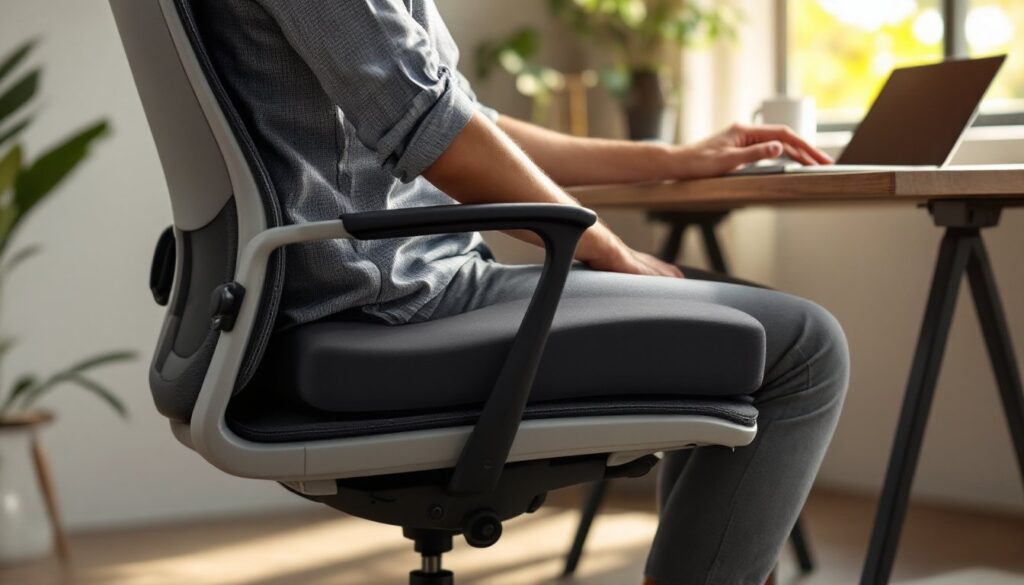
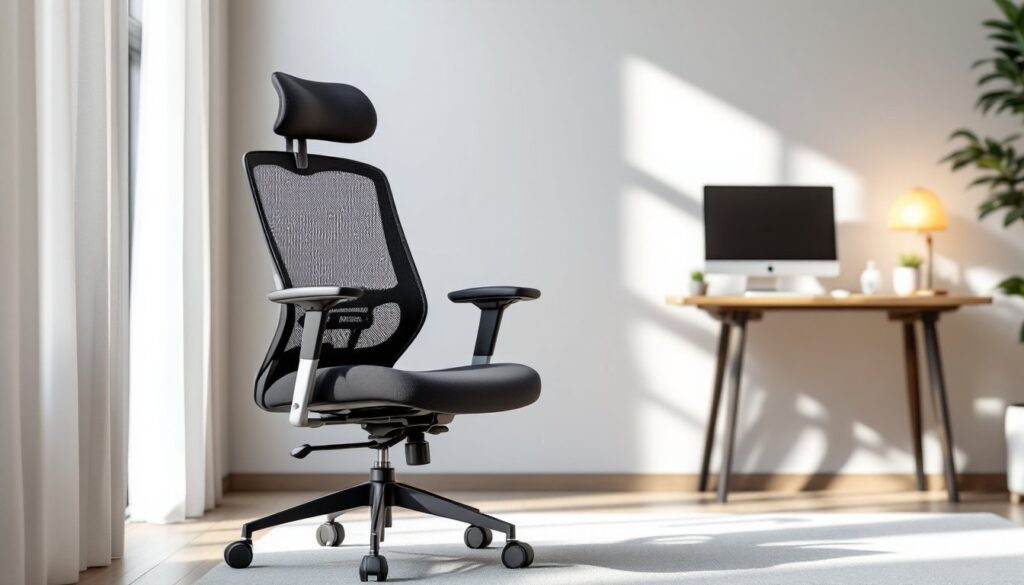
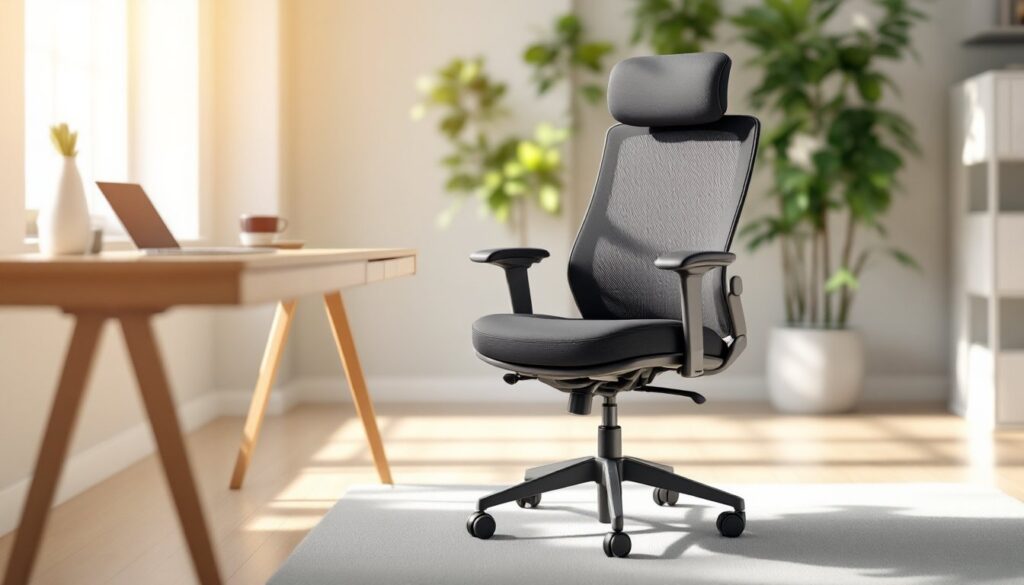
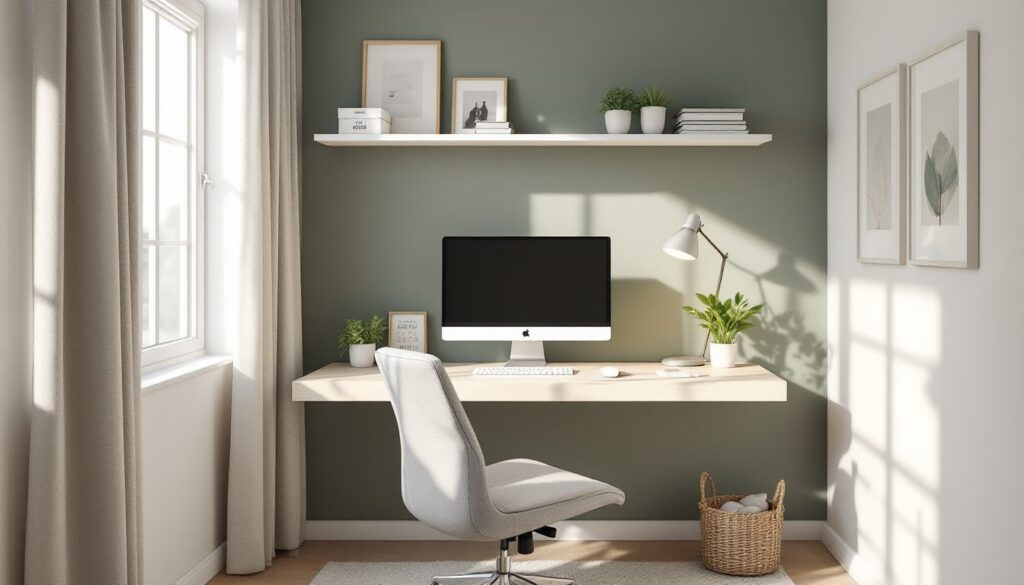
Effective productivity workspaces contain several key components. First, proper furniture selection, including ergonomic chairs and desks, supports long work hours. Second, adequate lighting is crucial, as natural light boosts mood and energy levels. Third, technology plays a vital role; reliable devices and high-speed internet facilitate efficient task completion. Fourth, organization tools like storage units and planners maintain order and reduce clutter. Lastly, personal touches, such as plants or artwork, enhance visual appeal and encourage creativity. Integrating these components optimally yields an effective workspace conducive to productivity.
Designing an Effective Productivity Workspace
An effective productivity workspace fosters focus and creativity. Implementing key design elements enhances overall work efficiency.
Layout and Organization
Optimal layout and organization significantly boost productivity. Start by positioning the desk in a way that minimizes distractions and maximizes natural light. Desks should face walls or windows to reduce cluttered views. Keeping frequently used items within arm’s reach enhances workflow. Establishing designated areas for specific tasks can streamline processes. Utilize shelves and organizers to maintain clean surfaces. Regularly decluttering prevents chaos. Setting clear boundaries for workspace use helps in maintaining organization.
Lighting and Ergonomics
Proper lighting and ergonomic furniture play crucial roles in productivity. Natural light should be prioritized for energizing the workspace. Workspaces should also include adjustable artificial lighting to avoid eye strain. Ergonomic chairs and desks promote comfort, encouraging longer work periods. Adjusting chair height and desk surfaces ensures good posture. Accessories like keyboard trays contribute to ergonomic setup. Personal touches like plants or artwork can enhance the overall aesthetic while reducing stress.
Tools and Technology for Productivity
In a well-designed workspace, utilizing the right tools and technology enhances productivity significantly. Implementing efficient digital solutions alongside quality hardware optimizes workflows effectively.
Productivity Apps and Software
Effective productivity apps streamline tasks and boost organization. Tools such as Trello and Asana manage projects while encouraging collaboration among teams. Other options like Notion and Evernote foster note-taking and brainstorming. Time management applications, including Toggl and RescueTime, track hours spent on tasks. Such software increases accountability and helps prioritize responsibilities, ensuring that crucial deadlines are met.
Hardware Considerations
Choosing the right hardware contributes to long-term productivity. High-quality monitors reduce eye strain, while ergonomic keyboards and mice promote comfort. Investing in a reliable laptop or desktop ensures seamless operation during work hours. Noise-canceling headphones help block distractions in busy environments. These elements create a conducive atmosphere, encouraging focus and improving overall efficiency in daily tasks.
Best Practices for Maintaining Productivity
Maintaining productivity involves strategic approaches that enhance workflow. Implementing effective methods leads to better time management and minimized distractions.
Time Management Techniques
Adopting time management techniques boosts productivity. The Pomodoro Technique encourages focused work sessions. Using a timer sets intervals of 25 minutes of concentration followed by 5-minute breaks. Prioritizing tasks through methods like the Eisenhower Matrix also helps. This matrix categorizes tasks based on urgency and importance, streamlining decision-making. Scheduling daily tasks into time blocks provides structure, allowing individuals to allocate time efficiently. Tracking progress using productivity apps can further enhance time management skills. Consistent reflection on completed tasks keeps focus sharp and clarifies future objectives.
Minimizing Distractions
Minimizing distractions is crucial for maintaining focus. Creating a dedicated workspace limits interruptions by setting boundaries. Switching off notifications on devices reduces digital distractions. Noise-canceling headphones create a silent atmosphere that fosters concentration. Furthermore, utilizing website blockers can prevent access to tempting sites during work hours. Organizing physical spaces also contributes to reducing clutter and enhancing focus. Regularly decluttering the desk space helps maintain an organized environment. Recognizing personal distraction triggers allows individuals to develop strategies that mitigate them effectively, further enhancing productivity levels.
Creating a productivity workspace is essential for anyone looking to enhance focus and efficiency. By thoughtfully designing an organized environment that incorporates ergonomic furniture and effective technology, individuals can significantly boost their productivity levels.
Integrating personal touches and ensuring proper lighting further contributes to a space that inspires creativity and motivation. By adopting the recommended strategies and maintaining a clutter-free area, anyone can transform their workspace into a powerful tool for success. Prioritizing a well-structured environment ultimately leads to improved work outcomes and a more satisfying work experience.