Table of Contents
ToggleWorking from home in a small space doesn’t mean sacrificing productivity or comfort. A tiny home office can be just as effective, and sometimes more so, than a sprawling dedicated room, provided you plan intentionally. The key is treating your small footprint as a design challenge, not a limitation. In 2026, homeowners are rethinking how to squeeze maximum function into minimal square footage. Whether you’re converting a closet, a corner of a bedroom, or a nook under the stairs, this guide walks you through the practical steps to create a workspace that’s both productive and pleasant.
Key Takeaways
- Assess your space precisely and define your functional needs before purchasing furniture to ensure a tiny home office serves your actual work requirements.
- Choose a location that is quiet, well-lit, and separate from main living areas to maximize productivity and reduce distractions in your small office.
- Select multi-functional furniture pieces like wall-mounted desks, vertical shelving, and storage-integrated seating to maximize functionality without consuming valuable floor space.
- Implement layered lighting and proper ergonomics—monitor at eye level, keyboard at 90-degree elbow angle, and feet flat on the floor—to prevent fatigue during long work hours.
- Use vertical storage, strict organization systems, and ruthless decluttering to keep your tiny home office calm and focused while preventing clutter from feeling overwhelming.
- Create visual and psychological separation from living spaces using color, room dividers, and minimal personal touches to signal work time and maintain professional focus.
Assess Your Space and Functional Needs
Before buying a single piece of furniture or paint can, measure your space honestly and list exactly what you need to accomplish there. Grab a tape measure and write down width, depth, and ceiling height, this isn’t busywork, it’s the foundation of everything that follows.
Next, define your daily tasks. Are you on video calls for eight hours? Do you need dual monitors? Will you be printing documents, storing files, or working with physical materials? A freelancer who drafts designs has different needs than someone handling customer service calls. Knowing this prevents you from buying the wrong desk or realizing too late that you have no shelf space.
Consider traffic flow and natural light sources too. Even a five-by-seven-foot alcove feels larger if it’s near a window and doesn’t block doorways. If your tiny office is in a high-traffic hallway, you’ll want sound dampening. If it’s in a dark interior corner, budget for task lighting. These details sound minor but they shape every decision you’ll make about furniture placement and decor.
Choose the Right Location in Your Home
Location is destiny in a tiny office. The wrong spot will sabotage your productivity no matter how well you design it.
Ideal locations are quiet, well-lit (or easily lit), and separate from main living areas. A dedicated corner of a bedroom, a small spare room, or a walk-in closet works far better than a desk crammed into a living room corner where family activity is constant. If quiet is critical for your work, avoid spaces above kitchens, near HVAC units, or adjacent to kids’ play areas.
Natural light is a game-changer. Positioning your desk near a window reduces eye strain and boosts mood. If you’re stuck with a dark space, invest in full-spectrum LED bulbs, they mimic daylight and cost less than you’d expect. When creating a Home Work Zone within a larger room, consider using a room divider or arranging furniture to define a visual boundary. This psychological separation signals “work time” even in a small footprint. Test your chosen spot for a full day before committing. Sit there during your actual work hours and notice temperature, noise, sightlines, and how the light changes throughout the day.
Select Multi-Functional Furniture Pieces
In a tiny space, every piece of furniture must earn its place. Multipurpose pieces are non-negotiable.
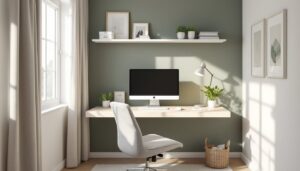
Start with a desk that serves double duty. Wall-mounted desks fold up when not in use, saving floor space. L-shaped desks fit snugly into corners and provide surface area without sprawling. Look for desks with built-in shelving or drawers, this consolidates storage instead of requiring separate cabinets. Depth matters: a 24-inch-deep desk is usually sufficient for a monitor and keyboard, while 30 inches accommodates more materials.
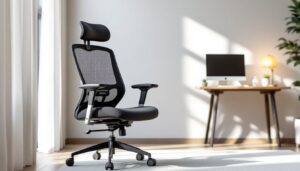
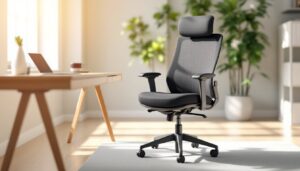
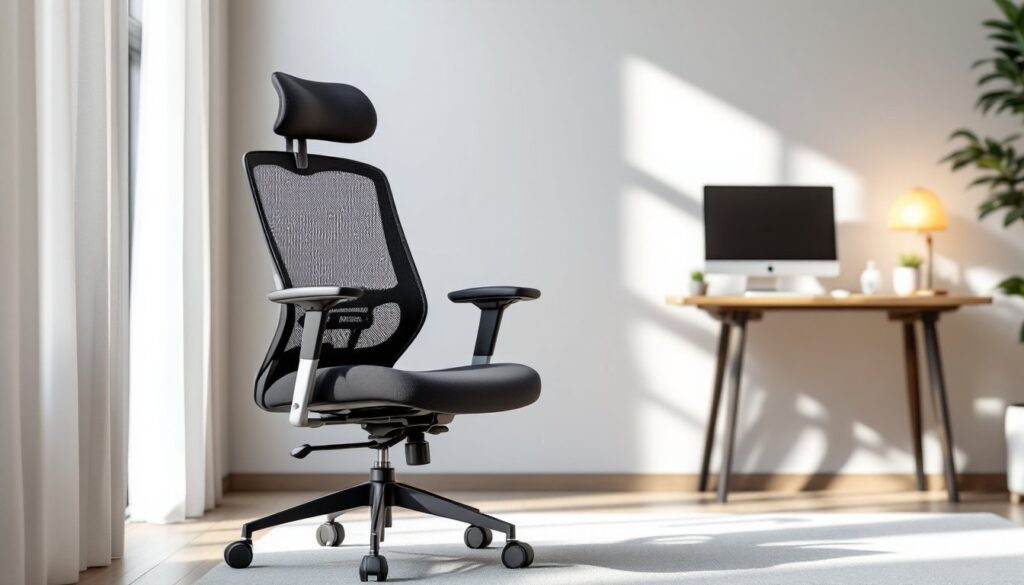
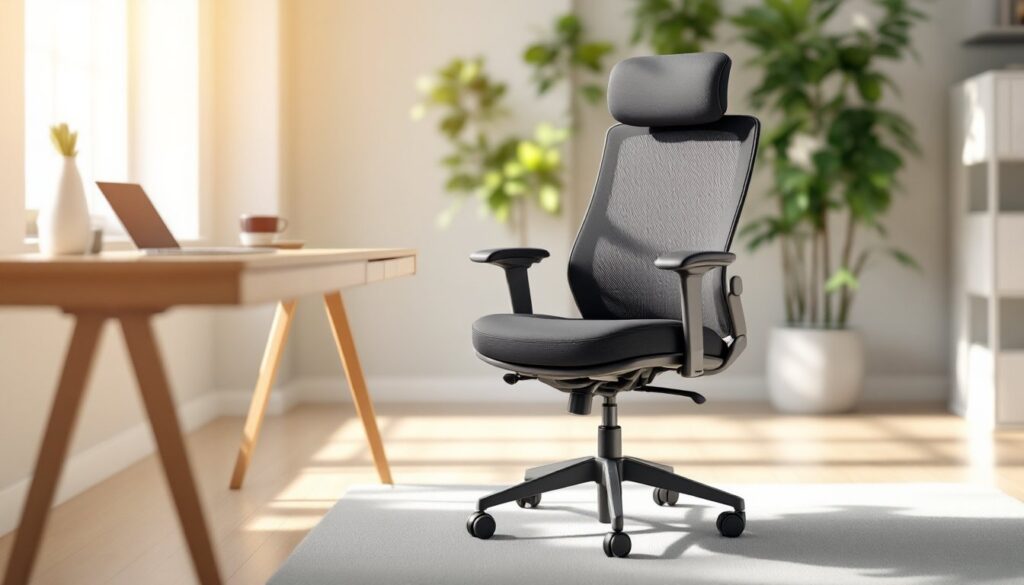
Choose seating that stores away if possible. A rolling chair with drawers underneath, a task chair that tucks under the desk, or even a cushioned bench that doubles as storage keeps the floor clear. An At Home Office Desk paired with the right chair sets the tone for comfort during long hours.
Consider a tall, narrow bookcase or wall-mounted shelving rather than a wide filing cabinet. Vertical storage makes tiny spaces feel larger and keeps essentials within arm’s reach. Opt for open shelving if you need frequent access: use closed storage for items you want hidden. A small side table can hold a printer, stack of documents, or a plant, give it purpose beyond decoration.
Optimize Lighting and Ergonomics
Poor lighting and bad ergonomics wreck both productivity and your body. These aren’t luxury upgrades, they’re essentials.
Aim for layered lighting: ambient light (ceiling fixture or wall sconce), task lighting (desk lamp or monitor light bar), and accent lighting if you want it. A quality desk lamp with adjustable color temperature prevents eye fatigue during long hours. Position it to the side of your monitor to avoid glare. If overhead lighting is harsh or nonexistent, full-spectrum LED bulbs (4000K–5000K color temperature) mimic daylight and cost $10–$20 each.
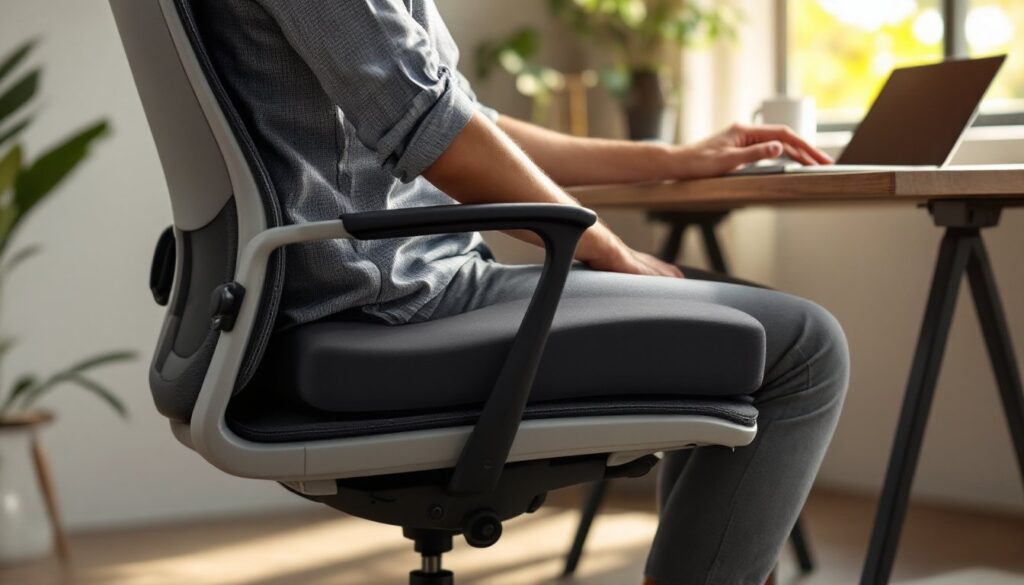
Ergonomics matters even more in tight spaces because you can’t spread out and shift positions as easily. Your monitor should sit at eye level when you’re sitting upright with relaxed shoulders. Use a monitor arm or stand to adjust height, don’t crane your neck down at a screen on the desk surface. Your keyboard and mouse should allow your elbows to rest at 90 degrees. If your desk is fixed and too high or low, a keyboard tray or monitor riser fixes it.
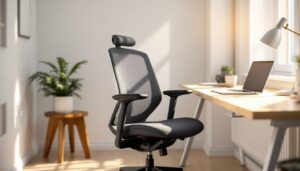
Set your chair so your feet flat on the floor and thighs parallel to the ground. An Ergonomic Home Workspace isn’t overcomplicated: it’s just intentional. Take a 5-minute break every hour to stand and stretch. In a tiny office, this also refreshes your perspective, step outside, refill your water, move your body.
Master Storage Solutions and Organization
Clutter in a tiny space feels suffocating. Smart storage keeps your workspace calm and functional.
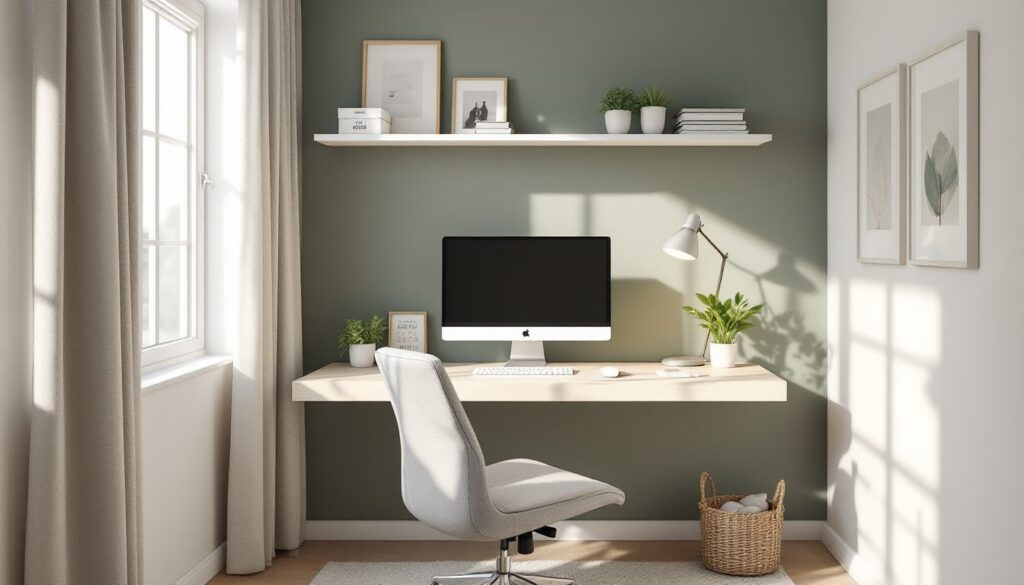
Use vertical space aggressively. Wall-mounted shelves, pegboards, and floating desks with shelves underneath free up floor area. Magnetic strips hold metal office supplies. Drawer dividers and small bins organize cables, pens, and papers so nothing gets lost. Label everything, this sounds overzealous but in a small office, you need to find things instantly.
Carry out a “%u201Cone in, one out” rule. Every new document or supply that enters the office, one item leaves. Use Real Simple’s organization tips to create systems that stick. A small filing cabinet that fits under the desk, a rolling cart with drawers, or even a decorative basket for current projects keeps paper from piling up.
Declutter ruthlessly. If you haven’t used it in three months, it’s taking up oxygen. Old client files, broken pens, and “inspiration” books you’ll never open waste precious square footage. Keep surfaces clear except for daily essentials: monitor, keyboard, a lamp, maybe a coffee mug. Everything else goes into closed storage. This isn’t sterile, it’s focused. A clean desk clears mental clutter too. When shopping for Home Office Furniture, prioritize pieces with built-in storage over those that demand separate shelving.
Create Visual Separation and Calm
Psychologically separating work from life matters, especially when they share the same room.
Use color to define your zone. Paint an accent wall behind your desk, or use peel-and-stick wallpaper if you rent. A bold, calm color, deep blue, sage green, or warm gray, signals focus. Keep the rest of the room lighter to maintain openness. A Home Office Rug anchors the space visually and adds sound dampening, making the area feel cozier and more distinct.
Add a room divider if your office shares a room with sleeping or living space. A simple sliding curtain rod with a linen panel, a folding screen, or even tall bookshelves create visual boundaries without permanent walls. Hang a “do not disturb” sign on a removable hook, sounds playful but it trains household members to respect your focus time.
Bring in soft elements: a small plant, a framed photo, or artwork that you love. According to resources like Apartment Therapy, personal touches in a workspace boost mood and creativity without cluttering it. Keep it minimal, one or two items, not five, so they have impact. A Custom Office Setup that reflects your taste, not generic office aesthetics, makes the space feel like yours. When you actually enjoy looking at your workspace, you’re more likely to spend focused time there.
Conclusion
A tiny home office is entirely workable if you’re intentional about space, furniture, lighting, and organization. Start by assessing what you truly need, place your desk in a calm, well-lit spot, choose multi-functional pieces, nail your ergonomics, and ruthlessly organize. Add personality and visual boundaries, then commit to keeping surfaces clear. The result is a focused, productive workspace that doesn’t sacrifice comfort or style, even if it’s only five feet wide. You don’t need a sprawling office to do great work. You need a plan.