Table of Contents
ToggleIf you’re shopping for an office chair that doesn’t sacrifice comfort for style, or vice versa, the Haworth Fern Office Chair deserves serious consideration. Whether you’re upgrading a cramped corner desk or building out a dedicated home office, finding the right seat makes a real difference in how you feel after eight hours of work. The Haworth Fern has earned its reputation as a go-to choice for homeowners who want an ergonomically sound chair without the industrial-looking bulk of traditional task seating. This guide walks you through what makes the Haworth Fern stand out, how to set it up properly, how it stacks up against competitors, and whether it’s the right fit for your workspace.
Key Takeaways
- The Haworth Fern office chair combines modern design with genuine ergonomic support, featuring a sculpted backrest and synchronized back mechanism that maintains spinal alignment whether leaning or sitting upright.
- Proper setup is essential for maximum comfort—adjust seat height so thighs are parallel to the floor, position lumbar support for your lower back’s natural curve, and ensure 2–3 inches of space between the seat edge and your knees.
- At $400–$700, the Haworth Fern occupies a practical middle ground, offering superior comfort and adjustability compared to budget mesh chairs while avoiding the premium pricing of high-end ergonomic brands like Herman Miller or Steelcase.
- Regular maintenance including dusting, caster cleaning every few months, and bolt tightening every 12–18 months will extend the chair’s lifespan well beyond its 5–7 year warranty.
- The Haworth Fern is ideal if you work from home more than three days weekly and sit for four or more hours at a time, but may not be suitable if you’re under 5’2″ or over 6’4″, or operating with a budget under $300.
What Makes the Haworth Fern Office Chair Stand Out
Key Design Features and Ergonomic Benefits
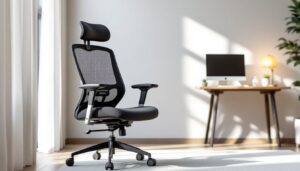
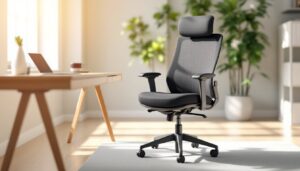
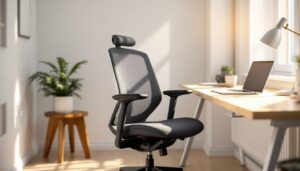
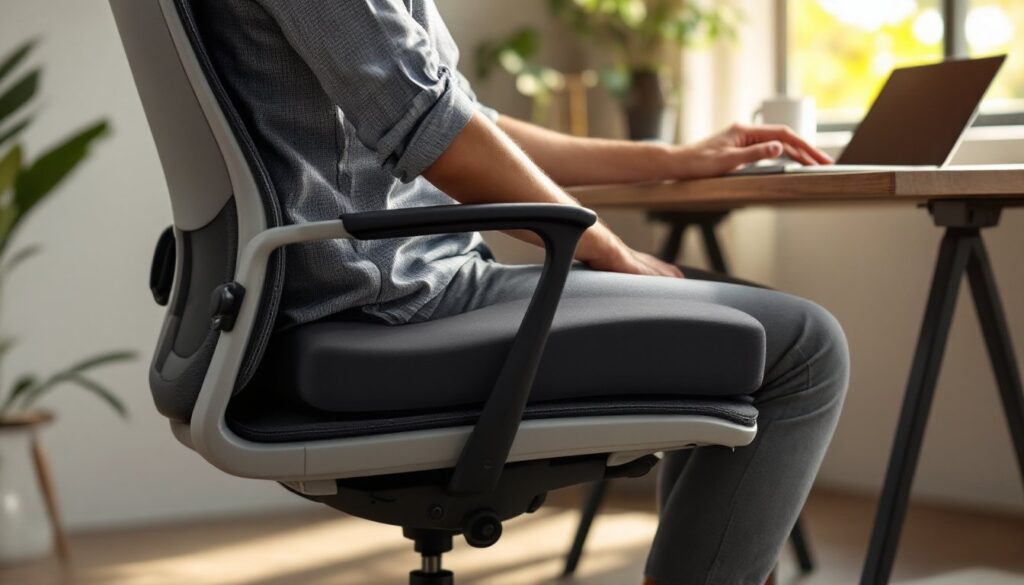
The Haworth Fern stands apart from standard office seating because it balances modern aesthetics with genuine ergonomic support. The chair features a sculpted backrest that cradles your spine at a natural curve, reducing strain during long work sessions. Unlike rigid mesh-back designs, the Fern’s molded seat pan and contoured lumbar support encourage proper spinal alignment without feeling restrictive.
The chair’s adjustability is where practical thinking shows up. You’ll find height adjustment, depth-adjustable seating, and a synchronized back mechanism that lets the backrest recline in proportion to seat tilt. This means your spine stays supported whether you’re leaning back to think or sitting upright to type. Arm rests, when included, are adjustable in height and width, a feature that prevents shoulder strain when your desk height doesn’t quite match the chair.
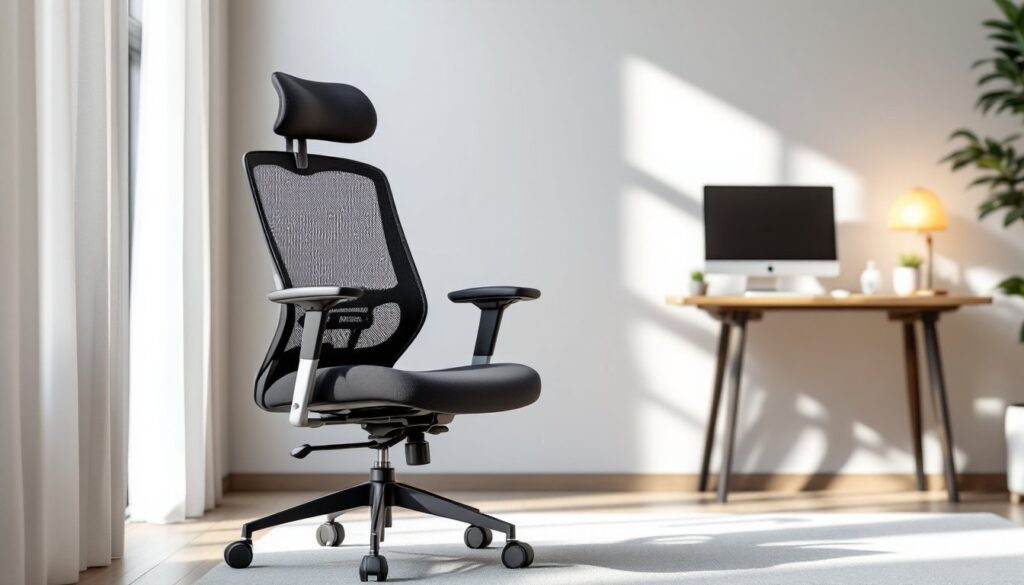
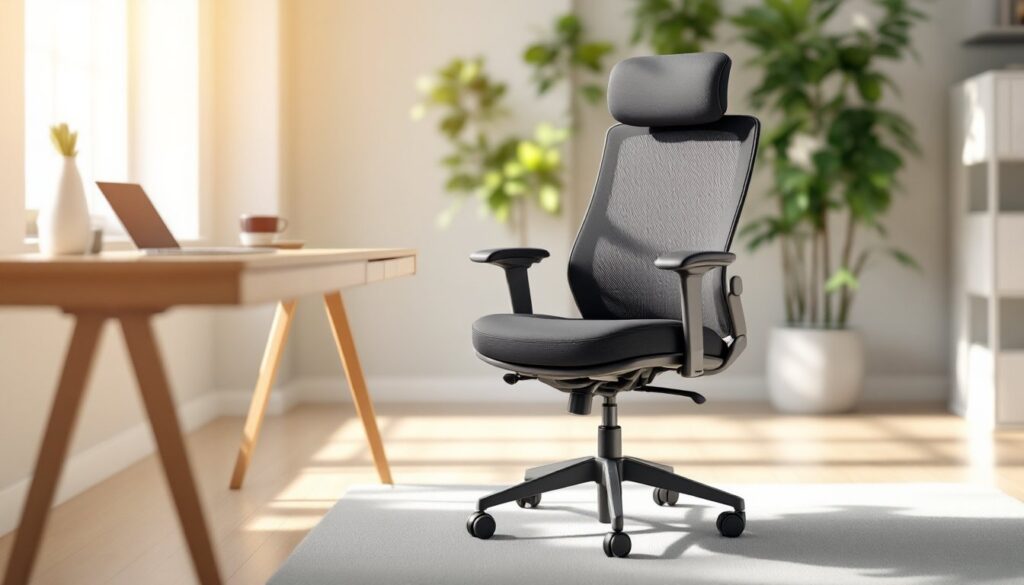
Material choices matter for comfort and durability. Most Haworth Fern configurations come in breathable mesh or upholstered fabric, both of which outperform solid plastic backs for all-day sitting. Mesh allows air circulation (important if your home office runs warm), while fabric offers a softer feel and better sound absorption in quiet spaces. The base typically uses a five-star caster system with smooth-rolling wheels, meaning you’re not straining to reposition the chair during the day.
When reviewers evaluate office chairs for ergonomic home office design, the Haworth Fern consistently scores high for its blend of support and proportions. It doesn’t look like a hospital chair, and it doesn’t feel flimsy, a sweet spot many budget alternatives miss.
Setting Up Your Haworth Fern Chair for Maximum Comfort
Assembly, Adjustment, and Customization Options
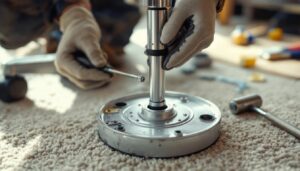
Out of the box, the Haworth Fern usually arrives with the base already attached and the backrest ready to snap on, a 10-minute assembly job, tops. You’ll need an Allen wrench (typically supplied) to tighten a few bolts and secure the seat pan to the base. Do not skip this step. A loose seat pan is uncomfortable and can eventually damage the base connection. Once assembled, before sitting down, take a moment to familiarize yourself with the adjustment controls.
Proper setup is non-negotiable for ergonomic benefit. Start with seat height: your feet should rest flat on the floor with your thighs parallel to the ground when you’re at your desk. Most home office desks sit around 30 inches high, so standard-height chairs adjust from roughly 18 to 22 inches (seat surface to floor). If you’re taller or shorter than average, verify the chair’s range before purchasing.
Next, locate the lumbar support adjustment. Many Haworth Fern models use a pneumatic pump or lever system to lock the backrest at different angles. Find the position where the backrest supports your lower back’s natural curve without feeling over-aggressive. This isn’t a setting you adjust daily, get it right once, then leave it. The seat depth is also crucial: scoot all the way back so your lower back contacts the lumbar support, with about 2 to 3 inches of space between the seat pan edge and the back of your knees. If the seat is too deep, you won’t get proper lumbar contact. If it’s too shallow, your thighs won’t be fully supported.
Armrest height should allow your elbows to sit at roughly a 90-degree angle when your hands are on the keyboard. If the armrests are too high, your shoulders hunch: too low, and you’re reaching down, which strains your neck and shoulders. Width adjustment (if available) prevents you from feeling squeezed or resting your arms on the empty space beyond the pad.
Customization options vary by model configuration. You can often choose between mesh or fabric, different colors, and whether you want fixed or adjustable arms. Some models allow you to swap out casters for different wheel types (harder wheels for carpet, softer for hard flooring). Knowing these options upfront helps you specify the exact chair that fits your office’s look and function.
Haworth Fern vs. Other Office Chairs: How It Compares
The Haworth Fern occupies a middle ground in the office chair market: more refined and adjustable than budget alternatives like basic mesh task chairs, but less specialized (and pricey) than high-end ergonomic brands aimed at corporate buyers. Here’s how it stacks up against common competitors.
Versus budget mesh chairs (often $150–$300): The Haworth Fern offers superior lumbar support and more adjustment options. Cheap mesh chairs often have a flat backrest and minimal seat-height range, meaning if you’re not average-sized, you’re out of luck. The Fern’s molded design and synchronized back mechanism justify the higher price point if you spend six or more hours daily in the chair.
Versus premium ergonomic brands (like Herman Miller or Steelcase models in the $800–$1500 range): The Haworth Fern is lighter on the wallet, typically $400–$700 depending on configuration. Premium brands excel in extreme customization and longevity, with warranties stretching 12+ years. The Fern’s warranty is typically 5–7 years, which is honest for its price tier. If you need a chair for a small home office and don’t anticipate heavy daily use in a corporate environment, the Fern delivers most of the comfort benefits without the premium pricing.
Versus gaming or racing-style chairs: These emphasize aesthetics and high back-support height but often skimp on adjustability and lumbar science. They look bold in a home office but can feel confining during long work sessions. The Haworth Fern prioritizes actual ergonomic function over visual drama.
When independent reviewers test and recommend top office chairs, the Haworth Fern frequently appears because it strikes a practical balance. You’re paying for thoughtful design, not brand prestige alone.
Maintenance and Long-Term Care Tips
A quality office chair is an investment, and the Haworth Fern will serve you well for years if you treat it right. Maintenance is straightforward but worth doing consistently.
Start with the basics: dust or vacuum your chair regularly, depending on whether it’s mesh or fabric. Mesh attracts dust and pet hair more than upholstered fabric but is easier to clean, a soft brush or vacuum attachment does the trick. Fabric can be spot-cleaned with mild soap and water on a damp cloth: avoid harsh solvents that can discolor or damage the material. If the chair has leather (less common on the Fern, but possible in higher-end configurations), use leather-appropriate conditioner annually to prevent cracking.
Moving parts need occasional attention. The five-star base and casters accumulate dust and hair around the wheels. Every few months, wipe down the base with a dry cloth and pull out any hair wrapped around the casters. If a caster becomes stiff or squeaky, a light silicone spray (not WD-40, which attracts dust) will free it up. Don’t over-lubricate, you’re after smooth rolling, not slickness.
The pneumatic height adjustment cylinder is a sealed component, so there’s nothing to service there. But, if the chair won’t hold its height after a few years, the cylinder may be losing pressure. This is a wear item, and replacement cylinders are available: it’s a $50–$100 fix for someone handy and a bit more if a technician does it.
Armrests and adjustment mechanisms should be checked periodically. If a lever or knob loosens, tighten it with the appropriate wrench. Do not force any adjustment. If something feels stuck, stop, forcing it can break the internal mechanism. Base bolts can loosen with use, especially if you rock back or bounce in your chair (which you shouldn’t do, but people do). Re-tighten them every 12–18 months or sooner if you notice movement.
Store the chair in a climate-controlled space. Extreme heat or cold can degrade fabric and plastic components. If you’re not using the chair for extended periods, cover it to prevent dust accumulation.
Is the Haworth Fern the Right Chair for Your Home Office?
Choosing an office chair isn’t one-size-fits-all. The Haworth Fern is an excellent fit if you check most of these boxes: you work from home more than three days per week, you’re sitting for stretches of four or more hours at a time, you want a chair that looks appropriate in a professional video call (not industrial or gaming-style), and you’re willing to invest $400–$700 in something that will last 5–7 years without major repairs.
It’s also a smart choice if you share your workspace with family or roommates and want a chair that doesn’t dominate the aesthetic. The Fern comes in neutral colors (blacks, grays, whites) and some muted accent hues, so it integrates into most office styles without clashing.
But, skip the Haworth Fern if you’re under 5′ 2″ or over 6′ 4″, the adjustment range may not accommodate your frame fully. It’s also not ideal for workplaces that demand extreme customization (though you can get close with optional configurations). If your budget is under $300, a basic mesh task chair is the reality: the Fern’s benefits aren’t magical enough to justify stretching a tight budget.
Resources like home improvement and design inspiration often highlight quality furniture investment for spaces you use daily, and that applies here. A good office chair pays dividends in posture, comfort, and focus, three things your work (and your back) will thank you for.
Before you buy, sit in one if possible. Many office furniture retailers have showroom displays. If not, check the return policy, reputable sellers offer 30-day returns, giving you a real-world trial. Your home office deserves a chair that feels like an upgrade, not a compromise.