Table of Contents
ToggleIn a world where working from home has become the new norm, creating an ergonomic workspace is no longer just a luxury—it’s a necessity. Imagine a setup that not only boosts productivity but also keeps those pesky aches and pains at bay. Who wouldn’t want to trade in their makeshift desk for a throne of comfort?
Picture this: a chair that hugs you like your favorite blanket and a desk that adjusts to your height, making you feel like the ruler of your own kingdom. With the right ergonomic tools, it’s possible to transform that corner of your living room into a haven of efficiency. So why not make your workspace a place where creativity flows as freely as your coffee? It’s time to ditch the discomfort and embrace a workspace that works for you, not against you.
Importance Of An Ergonomic Home Workspace
An ergonomic home workspace significantly enhances comfort and efficiency. Individuals often experience reduced strain on the body when using ergonomic furniture, which encourages better posture and minimizes the risk of musculoskeletal disorders. Increased productivity can result from a workspace that supports healthy positioning.
Properly arranged work environments foster creativity. An adjustable desk allows users to alternate between sitting and standing, catering to their specific needs throughout the day. Comfort intertwines with functionality when a well-designed chair provides adequate lumbar support.
Research indicates employees in ergonomic setups report higher job satisfaction. Improved focus emerges when distractions from discomfort are minimized. Fatigue often decreases, leading individuals to maintain higher energy levels during work hours.
Setting up an ergonomic workspace fosters long-term health benefits. Investing in quality equipment may reduce healthcare costs associated with workplace injuries. Additionally, a designated workspace can provide a psychological boundary, improving work-life balance.
Incorporating simple ergonomic principles can significantly impact overall well-being. Positioning computer screens at eye level reduces neck strain, while using wrist supports can alleviate pressure during typing. Ergonomics encompasses a holistic approach, integrating factors like lighting and organization to improve efficiency.
Key Components Of An Ergonomic Home Workspace
Creating an ergonomic home workspace requires attention to several key components that enhance comfort and efficiency. Each element plays a crucial role in supporting physical well-being and productivity.
Chair Selection
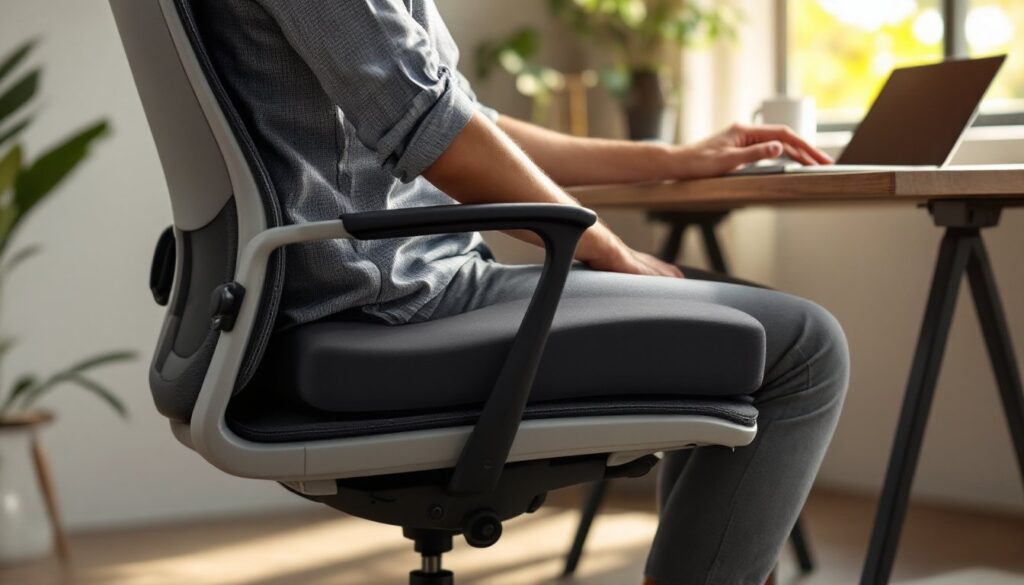
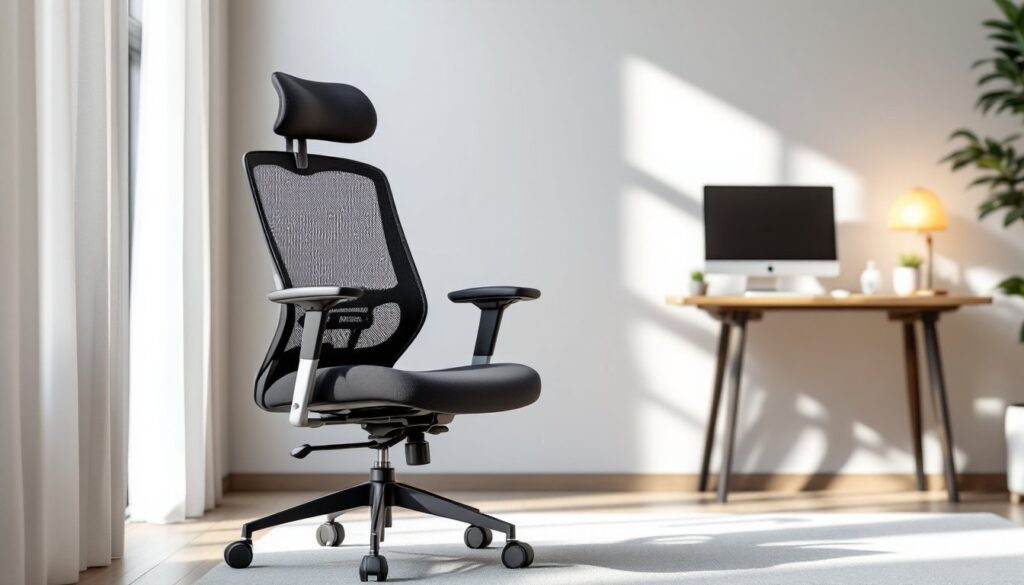
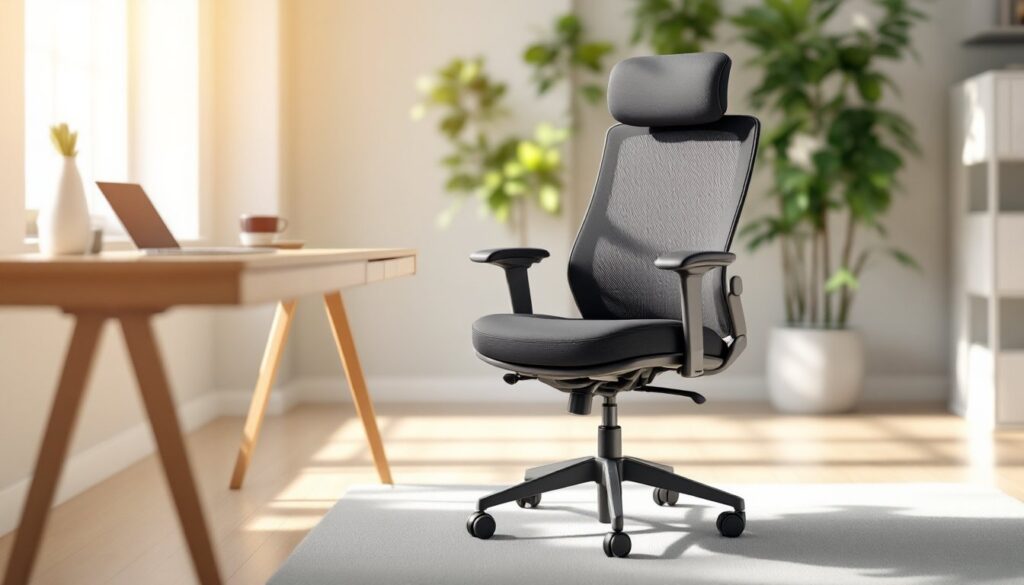
Selecting the right chair has a significant impact on comfort levels during work hours. Chairs should provide adequate lumbar support and promote a straight posture. Adjustability is essential; users can modify the height and tilt to fit their unique body shapes. A seat depth of 16 to 18 inches accommodates various leg lengths. Choosing a chair with breathable material helps maintain comfort throughout the day.
Desk Height Adjustment
Desk height significantly influences posture and overall comfort during work. Ideal desk height allows the forearms to rest parallel to the floor while seated. Users should find that their elbows form a 90-degree angle when the hands are on the keyboard. Adjustable desks are beneficial, allowing seamless transitions between sitting and standing. This flexibility promotes movement, reducing fatigue during longer work sessions.
Monitor Positioning
Correct monitor positioning enhances visual comfort and reduces strain on the neck and eyes. Monitors should be placed at least an arm’s length away, with the top of the screen at or just below eye level. This setup encourages a neutral neck position, preventing discomfort. Avoiding glare is also crucial, so users can tilt screens or adjust lighting to ensure optimal visibility. Proper positioning minimizes eye strain, contributing to prolonged focus.
Keyboard And Mouse Placement
Correct placement of the keyboard and mouse affects overall comfort and efficiency while typing. Both should be positioned close enough to the body to prevent reaching, maintaining an ergonomic posture. Users should keep their wrists straight, avoiding unnecessary strain. The keyboard height should allow elbows to remain at a 90-degree angle. A mouse that sits at the same level as the keyboard promotes fluid movement and reduces wrist discomfort.
Benefits Of An Ergonomic Home Workspace
Creating an ergonomic home workspace offers numerous benefits that positively impact overall work experience. These advantages include improved comfort, increased productivity, and enhanced health.
Improved Comfort
Enhanced comfort is a key benefit of an ergonomic workspace. Properly designed setups reduce strain on the body and promote better posture, minimizing discomfort during long work hours. Choosing a chair with adequate lumbar support allows for relaxed sitting, while adjustable desks accommodate various working positions. Customized setups help individuals find a comfortable arrangement that fits their unique needs. Investing time in ergonomics pays off, resulting in greater satisfaction during daily tasks.
Increased Productivity
Productivity sees significant improvement in an ergonomic workspace. Research shows that comfortable setups lead to higher job satisfaction, which directly correlates with improved focus and efficiency. By reducing distractions related to discomfort, individuals can maintain momentum throughout their workday. Additionally, a well-organized environment encourages effective time management. Adjusting desk heights and monitor positions facilitates easy transitions between tasks, streamlining workflow and boosting overall output.
Enhanced Health
The long-term health benefits of an ergonomic workspace are substantial. Proper positioning of equipment lowers the risk of musculoskeletal disorders, significantly impacting well-being. Regularly using ergonomic principles fosters better physical health, which reduces fatigue and energizes users. Consequently, these adjustments decrease potential healthcare costs associated with workplace injuries. Establishing a dedicated ergonomic workspace promotes overall wellness, enhancing the work-life balance and fostering a healthier lifestyle.
Tips For Creating An Ergonomic Home Workspace
Creating an ergonomic home workspace involves thoughtful organization and personal touches. Prioritizing comfort and functionality leads to enhanced productivity and well-being.
Design Layout
Optimal design layout dramatically impacts comfort and efficiency. Position the desk to receive natural light, reducing eye strain throughout the day. Arrange essential items within arm’s reach to minimize unnecessary movements. Ensure that the monitor sits at eye level, allowing for a neutral neck position. Utilize organizers for tools such as pens, notepads, and chargers, promoting a clutter-free environment. Adjust the height of the desk so that arms rest comfortably while typing.
Incorporating Breaks
Incorporating breaks into the work routine significantly aids productivity. Set a timer to remind oneself to stand or stretch every 30 to 60 minutes. Physical movement improves blood circulation and reduces fatigue. Utilize short breaks for hydration or brief walks, allowing the mind to reset. Engaging in light stretching during breaks can alleviate tension and promote relaxation. Scheduled pauses enhance focus and motivation, leading to higher overall efficiency.
Personalizing Your Space
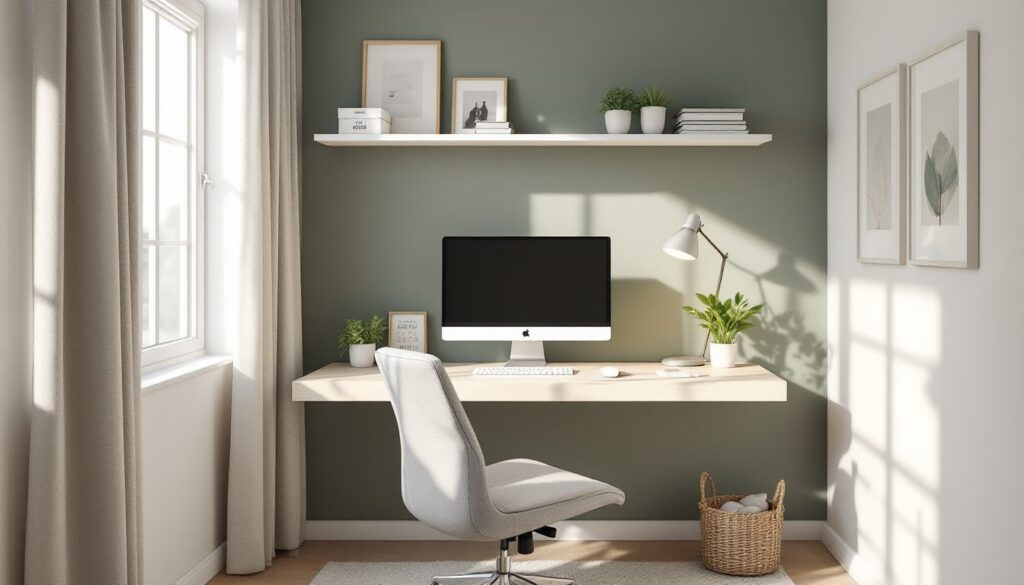
Personalizing your space fosters creativity and positive energy. Choose decor that resonates with individual tastes, such as artwork or plants, to create an inviting atmosphere. Position motivational quotes or photos within view to maintain inspiration. Adjust lighting conditions with lamps or adjustable lights to create a warm ambiance that encourages productivity. Incorporate comfortable accessories like cushions and blankets for added comfort. A space that feels personal enhances satisfaction and encourages a productive mindset.
Investing time and effort into creating an ergonomic home workspace pays off in numerous ways. A thoughtfully designed environment not only enhances comfort but also boosts productivity and overall well-being. By prioritizing ergonomics, individuals can minimize discomfort and focus on their tasks more effectively.
Incorporating adjustable furniture and mindful organization can lead to a workspace that inspires creativity and efficiency. As remote work continues to evolve, embracing these principles will ensure a healthier and more satisfying work-from-home experience. Ultimately, a well-structured ergonomic setup is a key element in achieving long-term success and happiness in one’s professional life.