Table of Contents
ToggleIf you’re spending six to eight hours a day hunched over a desk, your chair matters more than you think. A poor seating setup compounds into neck pain, lower back strain, and decreased productivity, expenses that dwarf the cost of a decent ergonomic chair. The Gabrylly ergonomic office chair has quietly built a reputation among remote workers and DIY home office builders as a solid middle-ground option: not cheap, not premium, but genuinely functional. This review cuts past the marketing speak to examine whether the Gabrylly delivers real support and durability, or if it’s just another chair with a fancy name.
Key Takeaways
- The Gabrylly ergonomic office chair delivers solid mid-range support between $300–$500, offering 80% of premium chair quality at a fraction of the cost for typical home office users.
- Integrated lumbar support designed for natural spinal alignment reduces lower back strain and helps maintain neutral posture during full workdays without compression by mid-afternoon.
- Gabrylly’s thoughtful adjustability—including pneumatic height adjustment, tilt tension control, and moveable armrests—allows customization for users between 5’4″ and 6’2″ without overwhelming feature bloat.
- The chair maintains durability over three to four years of regular use with high-density foam and mesh construction, representing genuine value for home office setups requiring six to ten hours of daily sitting.
- A Gabrylly ergonomic office chair is the pragmatic choice for remote workers and freelancers who need back support and workspace reliability without premium pricing or unnecessary add-ons.
What Makes Gabrylly Stand Out in the Ergonomic Chair Market
The ergonomic chair market is crowded. You’ve got Herman Miller and Steelcase at the $1,500+ level, IKEA’s budget offerings under $200, and dozens of mid-range brands promising lumbar support that rarely delivers. Gabrylly occupies the practical middle: typically priced between $300–$500, it targets people who can’t justify four-figure chairs but refuse to sacrifice back support.
What sets Gabrylly apart is its specificity. Rather than vague “ergonomic” marketing, the chair addresses real problem points: a curved lumbar spine needs support at specific angles, not just a generic cushion. The brand also avoids the premium trap of feature-bloat. You won’t find unnecessary add-ons: instead, you get core functionality like height adjustment, tilt tension control, and armrest positioning, the features that actually prevent injury during an eight-hour workday.
Compare this to budget chairs that promise ergonomics with fixed lumbar support or chairs that cost four times as much but add features a home office user rarely needs. Gabrylly’s philosophy is refreshingly straightforward: support the spine properly, make adjustments intuitive, and price it so a freelancer or small business owner can actually afford it.
Key Features and Design Elements
Lumbar Support and Spinal Alignment
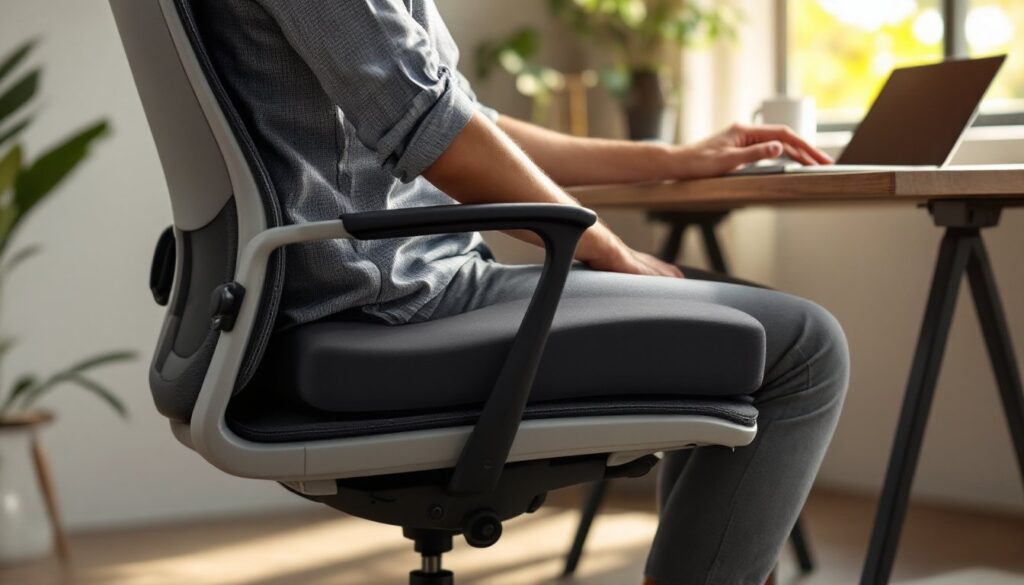
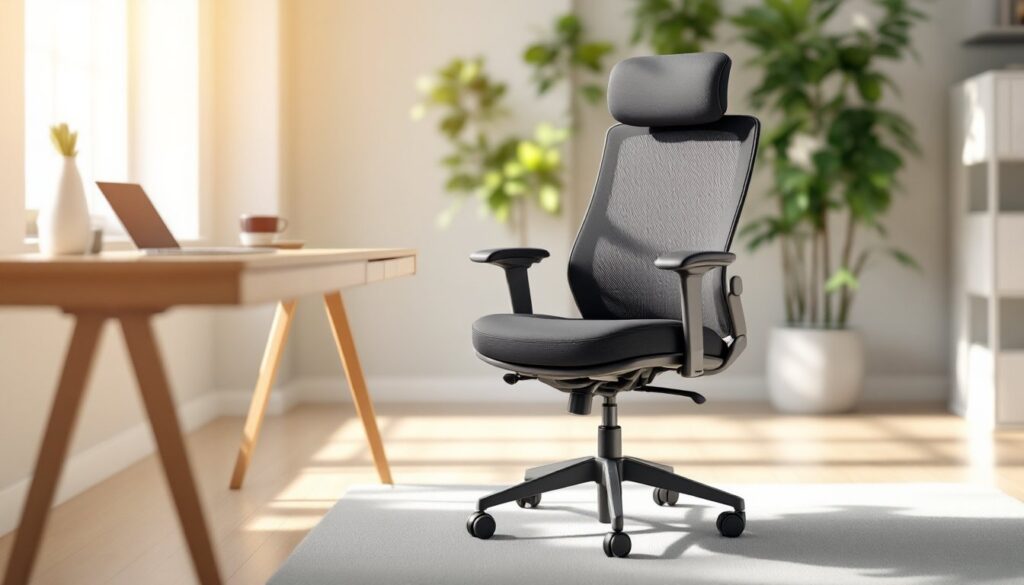
The lumbar support on the Gabrylly is not a small pillow tacked on as an afterthought. Instead, it’s an integrated curve built into the backrest itself, designed to support the natural lumbar lordosis, the inward curve of your lower spine. This matters because most people’s spines aren’t straight: they dip inward at the lower back, and a flat backrest fights against your body rather than supporting it.
The curve sits at the right height for most people between 5’4″ and 6’2″, though taller users sometimes report the support feels slightly higher than ideal. The firmness is medium, not so soft you sink into it (which reduces support), but not rock-hard either. After a few hours of sitting, the padding holds up without bottoming out, which is a common failure point in cheaper chairs. According to multiple home office setups reviewed on office comfort products that boost productivity, proper lumbar positioning reduces strain on the intervertebral discs and helps maintain neutral posture throughout the day.
Adjustability and Customization Options
A chair that can’t be customized to your body is just furniture: it’s not ergonomic. The Gabrylly offers enough adjustment points to fit a range of body types and work styles without overwhelming you with options.
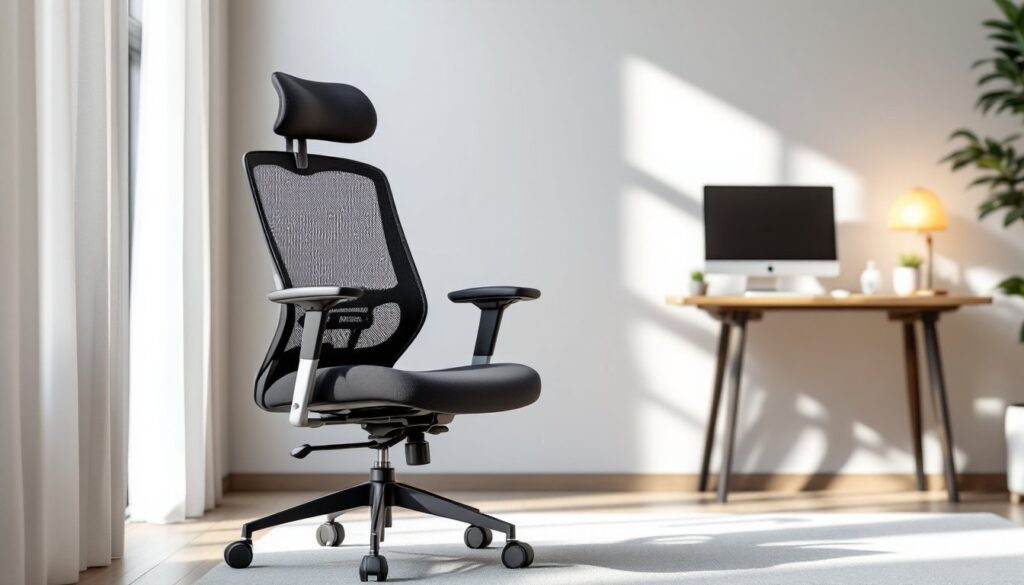
Height adjustment is pneumatic (gas cylinder), standard for this price range, with smooth operation and enough range to accommodate desks of varying heights. The seat tilt can be locked in place or set to a slight recline, and you can adjust tilt tension with a knob, a feature that prevents the chair from feeling sloppy when you lean back. Armrests adjust both in height and width, allowing you to align them with your desk surface so your shoulders stay relaxed rather than shrugged.
The headrest is optional and removable, which is practical if you don’t use one. The caster wheels roll smoothly on both hard flooring and carpet, though carpet users may want to add a chair mat to reduce drag. One minor limitation: the backrest angle itself isn’t individually adjustable. You can tilt the entire chair, but you can’t pivot just the backrest. For most users this isn’t an issue, but people with specific back conditions may need that granular control.
Performance, Comfort, and Long-Term Durability
Performance isn’t about flashy features, it’s about whether your back still feels okay at 5 PM. The Gabrylly holds up during full workdays without the creeping soreness that develops with unsupportive seating. Users report the lumbar support stays effective even after eight hours: the padding doesn’t compress into uselessness by mid-afternoon like some budget chairs.
Long-term durability hinges on materials. The seat uses high-density foam that resists compression over months of use. The upholstery is mesh or fabric depending on the model: mesh breathes better for all-day sitting and doesn’t trap heat like solid plastic backs. The frame is steel with a five-star base (wider footprint, more stability), and the gas cylinder is rated for typical use cycles. Most reported issues center on cosmetic wear, fading of the mesh after two years in direct sunlight, rather than structural failure.
One honest note: the chair shows its price point after three to four years. The gas cylinder may lose responsiveness, the casters may become stiffer, and the armrest adjustment may loosen slightly. This isn’t premature failure: it’s normal wear. Higher-end chairs (Herman Miller, Steelcase) maintain tighter tolerances for longer, but they cost three times more. For a home office used five days a week, the Gabrylly hits a genuine durability-to-cost sweet spot.
How Gabrylly Compares to Other Budget-Friendly Ergonomic Chairs
To benchmark the Gabrylly fairly, you need to compare apples to apples. It’s not competing against Herman Miller (different market), but rather against chairs in the $250–$500 range like AmazonBasics, Furmax, and local office furniture brands.
Versus AmazonBasics: The AmazonBasics chair is cheaper (often $200–$300) and fine for light use, but the lumbar support is thinner, and the armrests don’t adjust. You’ll feel the difference by hour six of a full workday. The Gabrylly costs more but addresses that pain point directly.
Versus Furmax: Furmax models overlap in price and feature set. Both have adjustable lumbar support and mid-range mesh construction. The Furmax is slightly more compact, which works for tight spaces. The Gabrylly tends to have a firmer seat cushion and better caster quality, based on user feedback. Neither is objectively “better”, it depends on your space and preferences.
Versus premium brands: CNET’s 2026 office chair reviews and Good Housekeeping’s tested ergonomic chairs frequently compare budget options to premium brands. The consensus is clear: you don’t need a $1,500 chair unless you’re sitting 10+ hours daily or have specific back conditions requiring clinical-grade support. For most home office users, the Gabrylly delivers 80% of the support at 20% of the cost.
Is the Gabrylly Right for Your Home Office Setup?
Before you buy, ask yourself three questions.
First: How many hours per day do you sit? If it’s four or fewer, a simpler chair might suffice. If it’s six to ten, lumbar support becomes non-negotiable, and the Gabrylly’s integrated curve earns its price. If it’s ten-plus, consider stepping up to a premium brand: the difference in support quality compounds over months.
Second: What’s your body type? The Gabrylly fits most people between 5’4″ and 6’2″ comfortably. If you’re taller, the headrest might sit too low. If you’re shorter, the minimum seat height (adjusted all the way down) might still feel high. Check the specifications, don’t guess. The seat width is standard (about 20 inches), which works for most builds.
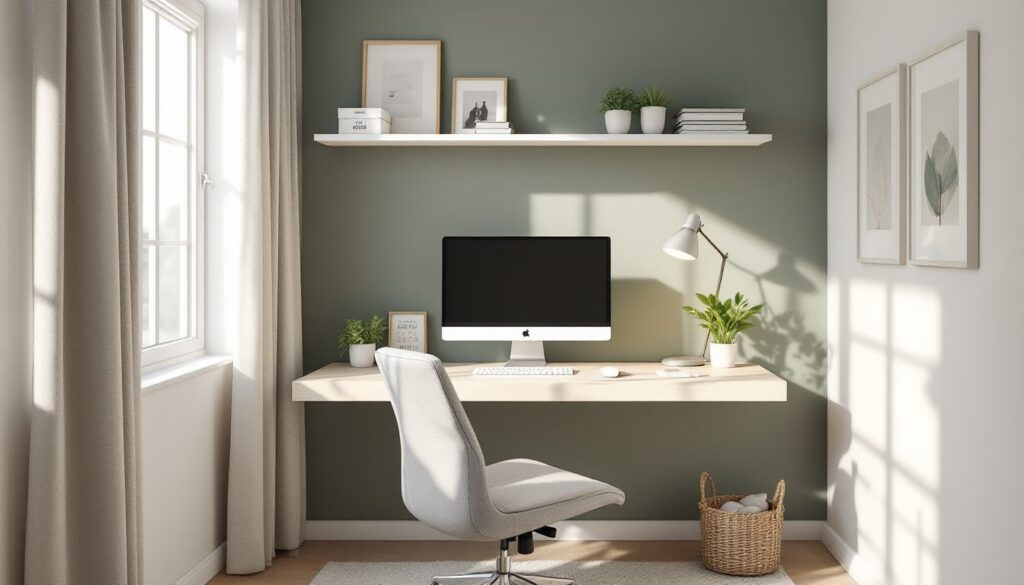
Third: What’s your workspace? The Gabrylly is compact enough for a home office corner but substantial enough to feel like actual furniture. The mesh back doesn’t match every décor: it’s more “office” than “living room.” If aesthetics matter as much as function, you might consider a leather or upholstered model, though those usually cost more and offer less breathability.
For a remote worker who’s tired of back pain, needs adjustable support without overpaying, and has a dedicated workspace, the Gabrylly checks the boxes. It’s the pragmatic choice, not the dream upgrade. Much like home office planning itself, building a workspace that actually supports your body requires choices based on reality, your budget, your hours, your body, not Pinterest fantasy. The Gabrylly respects that.