Table of Contents
ToggleIn a world where the daily grind often feels like a never-ending episode of a sitcom, the design of an office can make all the difference. Imagine walking into a space that sparks creativity instead of yawns, where the coffee flows as freely as the ideas. Attractive office design isn’t just about aesthetics; it’s about creating an environment that inspires productivity and keeps morale high.
Importance Of Attractive Office Design
Attractive office design significantly influences employee productivity and morale. Studies show that a well-designed workspace enhances focus and creativity, directly impacting performance metrics. Noteworthy research indicates that employees in visually appealing environments report higher job satisfaction rates.
Attention to aesthetic elements like color, lighting, and furniture promotes a positive atmosphere. For instance, natural light boosts energy levels, while vibrant colors can stimulate creativity. Creating designated collaboration spaces fosters teamwork and encourages innovative thinking.
A thoughtfully designed layout allows for flexibility and adaptability. Teams benefit from open spaces that facilitate communication while also having quiet zones for concentration. Incorporating greenery enhances air quality and improves overall well-being.
Understanding the role of office design in attracting and retaining talent is crucial. Companies with engaging work environments often experience lower turnover rates. Moreover, employers that invest in attractive designs demonstrate commitment to employee welfare.
Cost savings emerge from increased productivity and reduced absenteeism. Organizations that prioritize office aesthetics realize substantial returns on investment. As a result, businesses gain an edge in competitive markets when they prioritize attractive office designs.
Fostering a sense of belonging through design creates a supportive company culture. Personal elements in the office, such as artwork or branding, strengthen employee connections. Ultimately, the significance of attractive office design cannot be overstated as it shapes the daily work experience.
Key Elements Of Attractive Office Design
Attractive office design includes several crucial elements that enhance the workspace’s overall aesthetic and functionality. Color schemes, furniture selection, and lighting options play pivotal roles in creating a vibrant and efficient environment.
Color Schemes
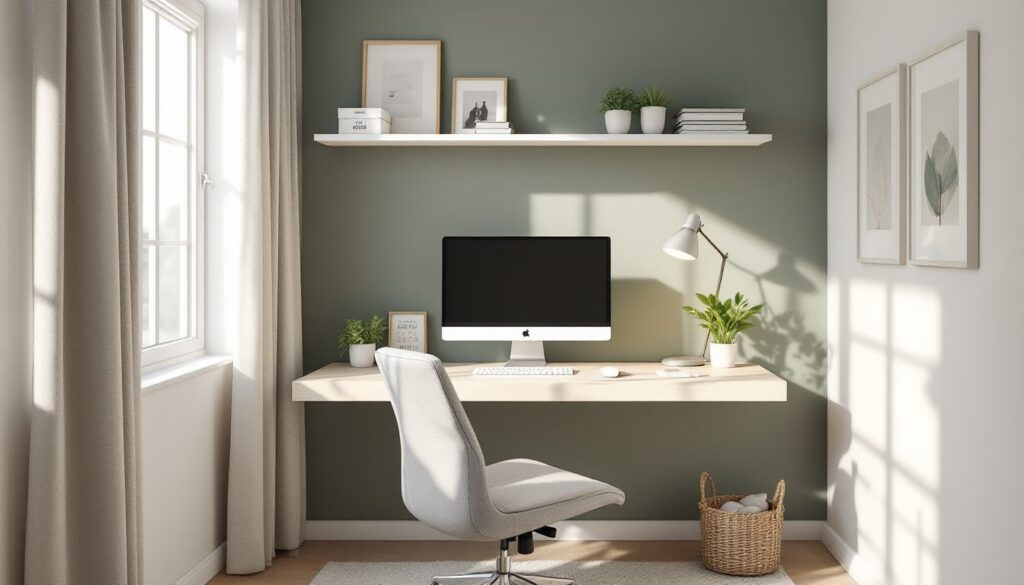
Colors significantly influence mood and productivity. Warm colors like red and orange stimulate energy, while cool tones like blue and green promote calmness and focus. Companies often opt for a combination of shades to keep the atmosphere dynamic and engaging. Research indicates that visual appeal boosts job satisfaction, leading to higher employee morale and retention rates. Incorporating accent walls or artwork can further enhance the color palette, making a workspace inviting and enjoyable.
Furniture Selection
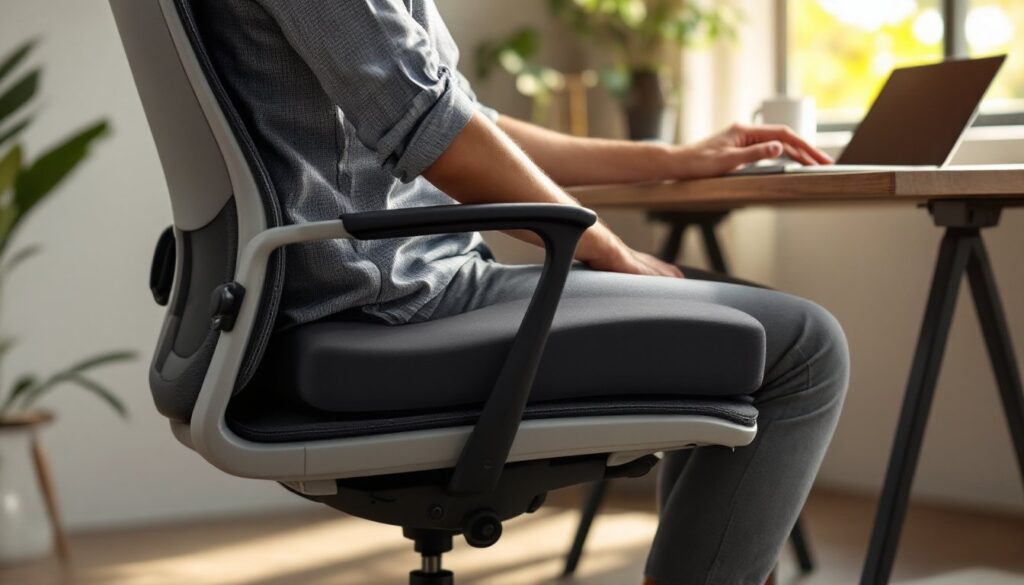
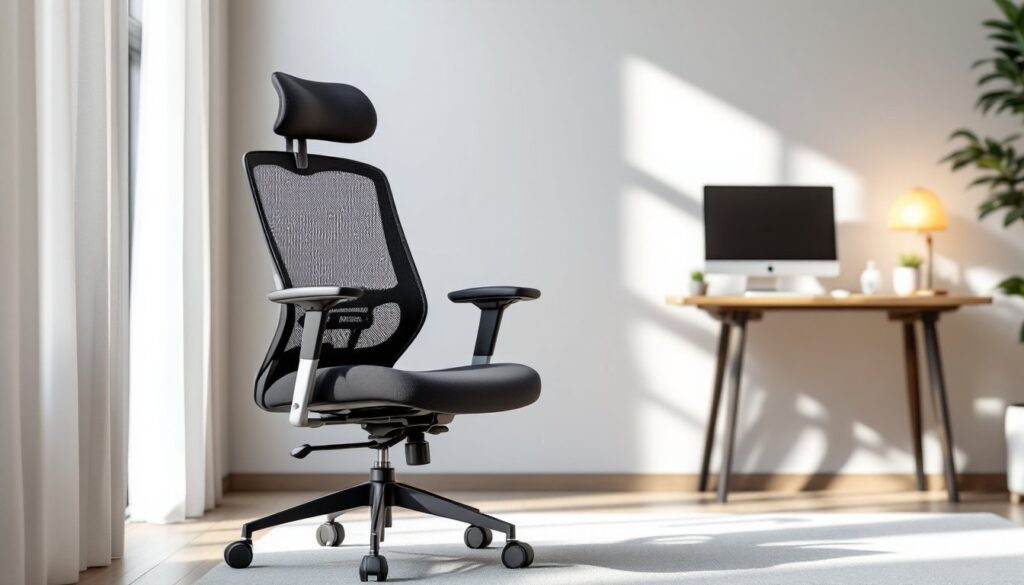
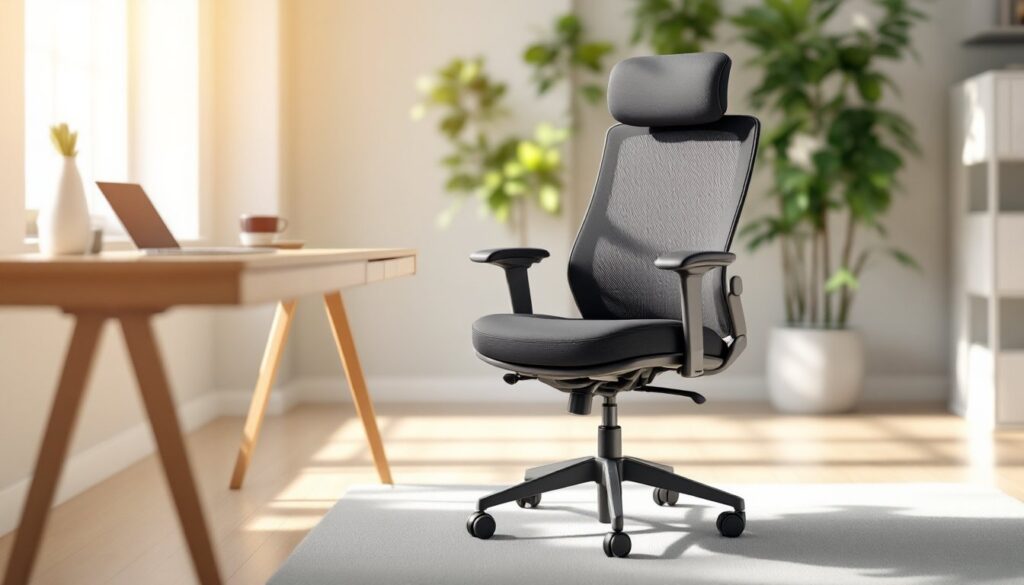
Selecting the right furniture is essential for both comfort and style. Ergonomic chairs and desks support employee well-being, reducing strain and increasing productivity. Modern designs often combine functionality with aesthetics, reflecting the company’s brand. Flexible furniture options encourage collaboration, making it easy for teams to adapt the space as needed. Adding lounge areas with comfortable seating further promotes a relaxed atmosphere, inviting creativity while accommodating individual work preferences.
Lighting Options
Natural lighting improves energy levels and reduces eye strain, making it a top priority in office design. Large windows allow sunlight to flow into the workspace. Where natural light isn’t feasible, LED fixtures provide energy-efficient alternatives. Layered lighting, combining overhead and task lighting, enhances visibility in all areas. The right lighting helps create a welcoming environment, increases overall productivity, and significantly impacts employee satisfaction.
Benefits Of Attractive Office Design
Attractive office design significantly improves workplace dynamics. It creates an environment that positively impacts both employee well-being and productivity.
Employee Well-being
Employee well-being thrives in thoughtfully designed spaces. Natural light and ergonomic furniture promote comfort, enhancing physical health. Detailed attention to aesthetics reduces stress, leading to improved mental health outcomes. Employees experience greater job satisfaction in visually pleasing environments. Improved well-being fosters a sense of belonging and community, essential for team cohesion.
Increased Productivity
Increased productivity results from strategically designed workspaces. Effective use of colors and lighting influences mood, encouraging motivation and focus. Flexible work areas allow for collaboration, making problem-solving more efficient. Comfortable lounge spaces provide breaks that re-energize employees, leading to better overall performance. Research indicates that aesthetically pleasing environments can drive productivity by up to 20%.
Enhanced Company Image
Enhanced company image emerges from attractive office design. A visually appealing workplace impresses potential recruits, demonstrating a commitment to employee satisfaction. Engaging designs reflect corporate values and culture, attracting like-minded individuals. Companies that invest in their workspaces often see a boost in brand reputation and client perception. Elevated office aesthetics can also result in increased client trust and loyalty.
Trends In Attractive Office Design
Attractive office design evolves constantly, driven by innovation and employee needs. Noteworthy trends focus on biophilic design and flexible workspaces.
Biophilic Design
Biophilic design integrates nature into the workplace, promoting well-being and productivity. Incorporating elements like plants, natural materials, and water features creates a calming atmosphere. Research indicates that biophilic design can boost productivity by up to 15%. Companies are installing living walls and expansive green areas to enhance air quality and stimulate creativity. By connecting employees to nature, designers foster a healthier workspace that reduces stress levels and increases job satisfaction.
Flexible Workspaces
Flexible workspaces encourage collaboration and adaptability in office environments. Featuring movable furniture and versatile areas supports diverse work styles and team dynamics. Desk-sharing concepts enable employees to select their workspaces based on daily needs. Flexibility enhances employee engagement, making it easier for teams to collaborate on projects. Modern offices often combine private zones with social areas to accommodate varied tasks. This approach not only cultivates creativity but also addresses the challenges of remote work integration, creating a more dynamic and appealing workplace.
Attractive office design plays a pivotal role in shaping the workplace experience. By thoughtfully integrating elements like color, furniture, and lighting, companies can create environments that not only enhance productivity but also boost employee morale.
Investing in a well-designed workspace reflects a commitment to employee well-being and can significantly reduce turnover rates. The trends in biophilic and flexible design further illustrate the importance of adaptability and creativity in modern offices.
Ultimately, an appealing office environment not only attracts top talent but also reinforces a company’s brand and values, providing a competitive advantage in today’s market.