Table of Contents
ToggleWhen you’re spending eight hours a day (or more) in the same chair, comfort isn’t a luxury, it’s essential. The Lazy Boy Aberdeen office chair has become a favorite for homeowners building out serious home workspaces, and for good reason. Unlike the uncomfortable chairs that leave your back screaming by 3 p.m., the Aberdeen combines real ergonomic support with design flexibility so it doesn’t look out of place in your office, living room, or study. Whether you’re upgrading from a basic desk chair or furnishing a home office from scratch, understanding what this chair offers, and whether it’s the right fit for your space, matters before you commit.
Key Takeaways
- The Lazy Boy Aberdeen office chair combines hardwood frames and eight-way hand-tied springs for lasting comfort that won’t sag after years of daily use, unlike basic task chairs that compress over time.
- This chair excels for long work sessions with padded armrests, generous seat width (23–25 inches), and multi-layer cushioning that provides superior lower back support after 4–5 hours of continuous sitting.
- The Lazy Boy Aberdeen offers versatile styling in multiple fabrics and colors, allowing it to blend seamlessly into traditional studies, modern workspaces, or living areas instead of looking like a corporate cubicle chair.
- Expect to invest $800–$2,000 for a chair built to last 10+ years with proper care, making it a smart long-term upgrade from cheaper office chairs that typically fail within two years.
- Before committing, test the chair in-store if possible or use retailer return windows, especially if you’re over 6’2″ or have specific lumbar support needs from prior back injuries.
- Maintenance is straightforward: let the chair settle 24–48 hours after arrival, condition leather every 6–12 months, vacuum fabric regularly, and address squeaks with silicone lubricant to preserve its lifespan.
What Makes The Lazy Boy Aberdeen Stand Out
La-Z-Boy has spent decades building recliners for living rooms. The Aberdeen brings that expertise into the office, which sets it apart from pure task chairs. Most office chairs prioritize sleek aesthetics or maximum adjustability but sacrifice sitting satisfaction. The Aberdeen flips that logic: it starts with comfort as the core feature, then layers in professional styling.
The key difference is construction. The Aberdeen uses a hardwood frame and eight-way hand-tied springs, the same foundation you’d find in a $3,000 sectional, not a $200 office chair. That matters because it means the seat won’t sag after a year of daily use. The cushioning uses high-density foam wrapped in multiple layers, giving you support without that cheap, compressing-over-time feel.
Another standout: versatility. This isn’t a chair that screams “home office.” It has enough visual weight and upholstery options to work in a traditional study, a modern workspace, or even a bedroom. You can find it in leather, fabric blends, and performance materials, meaning it fits different aesthetics and budgets. That flexibility is why it’s becoming a standard choice for people who want their home office to feel less like a cubicle and more like an intentional space.
Key Features and Design Elements
Recline and Adjustability Options
This is where the Aberdeen earns its reputation. Unlike basic office chairs with limited tilt options, the Aberdeen reclines to multiple positions. A standard lever on the side controls recline angle, you can lock it at various points or let it glide smoothly back. Some versions include power recline, though manual versions are more common in office configurations and don’t require outlet access.
The seat depth is adjustable on many configurations through a tension knob underneath. This controls how easily the chair responds to your weight shift, not the actual forward-and-back movement (unlike a typical office chair with a slider seat). It’s a different approach, but it means less fiddling and more intuitive comfort.
Height adjustability varies by model. Some use a standard gas cylinder (like office chairs) for height adjustment, while others rely on the base design. Check your specific model before ordering if seat height range is critical, home office users of different heights will have different needs.
Comfort and Ergonomic Benefits
Support for Long Work Sessions
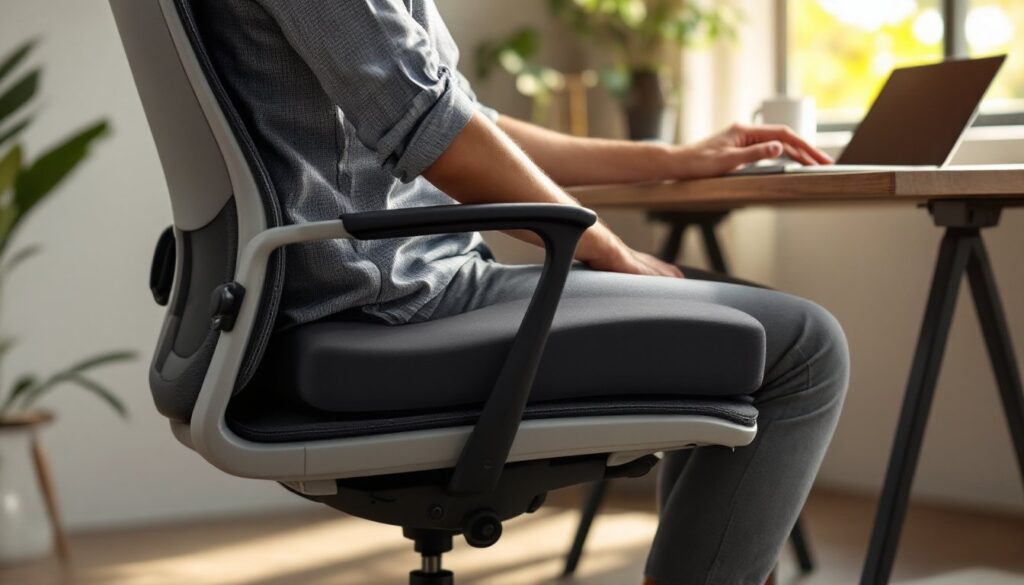
If you’re in the chair for eight-plus hours, here’s what matters: armrest support, back contour, and seat depth. The Aberdeen checks all three boxes. The padded arms support your wrists and forearms during typing without forcing your shoulders into an unnatural position. That’s the difference between a chair that works for two hours versus one that works for a full day.
The seat width is generous, roughly 23–25 inches depending on the model, which means you’re not perched at the edge. There’s room to shift position slightly without losing support. After 4–5 hours in most office chairs, your lower back starts to hurt because the support gets thin. The Aberdeen’s multi-layer cushioning holds up much better.
One caveat: if you’re over 6’2″ or have specific lumbar needs (prior back injury, for example), test the chair before committing. A showroom visit or rental try-period from a retailer is worth the extra step. Most La-Z-Boy retailers offer in-store trials, and some online sellers have return windows for this exact reason.
Style and Home Office Integration
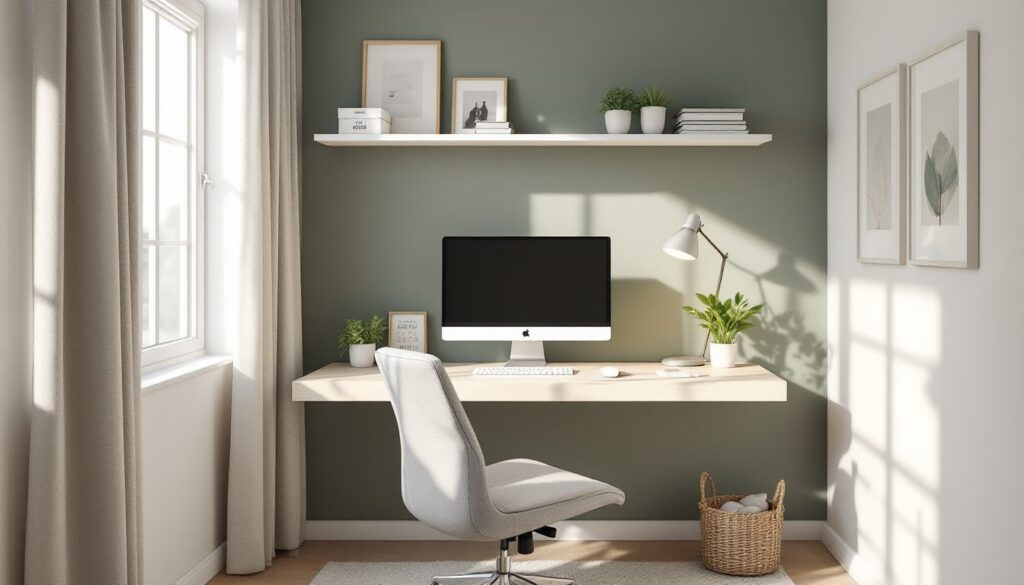
A chair is only as good as the office it sits in, and the Aberdeen was designed with that in mind. It doesn’t scream “corporate task chair”, it reads as intentional furniture. That matters if your home office doubles as a guest room or open study area.
Color and fabric choices anchor the style conversation. Neutral tones (gray, beige, chocolate, cream) work in almost any setting. Richer colors (navy, charcoal, burgundy) add visual interest and work in more traditional or eclectic spaces. Leather options skew more formal: fabric blends feel warmer and more residential. Think about whether your office leans modern, traditional, or somewhere in between, then pick a finish that echoes other furniture nearby.
The Aberdeen’s proportions are substantial, it’s not a delicate task chair. It commands visual presence, which works great if it’s your primary seating, but less so if you’re cramming it into a tiny corner. Measure your space and see how it sits relative to your desk, shelving, and door swings. Retailers provide dimensions, but visiting a showroom to stand next to it is valuable.
Design inspiration platforms like MyDomaine and Domino regularly feature home office setups where quality seating is the anchor piece. The Aberdeen fits that category, it’s the kind of chair that makes people ask, “Wait, that came from La-Z-Boy?”
Setup, Maintenance, and Care Tips
When your Aberdeen arrives, resist the urge to plop straight into it. Most furniture ships compressed and needs 24–48 hours to re-expand and settle, especially if it’s been vacuum-packed. Let it sit in your office with the plastic off before you really put weight on it. The cushions, springs, and frame need that time to fully recover.
Assembly: Most Lazy Boy pieces come mostly assembled. Typical setup involves attaching legs or base feet, adding casters if they’re separate, and confirming all mechanisms move smoothly. It’s usually a 30-minute job. Check the manual for recline lever operation, they can feel stiff on first use, which is normal.
Maintenance: Leather requires occasional conditioning (every 6–12 months, depending on use). Fabric benefits from light vacuuming to remove dust, use an upholstery brush attachment, not a heavy suction. If you spill something, treat it immediately. Blot, don’t rub. Most fabrics on office-grade recliners include stain guards, but that’s not an invitation to ignore spills.
Common Issues and Fixes:
- Squeaky recline: Apply a silicone lubricant to the recline mechanism’s joints. Don’t use WD-40 or heavy oil, it attracts dust.
- Loose casters: Check that wheels are fully clicked into the base stem and tighten any set screws.
- Lumpy cushion after months: This is normal settling, not a defect. Light agitation and fluffing helps. If one area compresses unevenly, contact the retailer, it may indicate a foam flaw.
- Base squeaks: Tighten all connection points under the seat. Most are bolt-on, not glued.
If you’re in a high-use environment (kids, pets, open-office where friends sit in it), consider a throw blanket to reduce wear on the upholstery. It extends the life and is easier to wash than spot-treating the chair itself.
Is the Lazy Boy Aberdeen Right for Your Home Office?
The Lazy Boy Aberdeen works best if you value comfort as your primary concern and you’re willing to give up some of the micro-adjustability of pure task chairs. It’s an investment, expect to spend $800–$2,000 depending on configuration and retailer, but it’s built to last 10+ years with proper care. If you’re tired of cheap office chairs collapsing after two years, this moves you in the right direction. Measure your space, test in-store if possible, and pick upholstery that matches your office’s vibe. Done right, you’ll have a chair that actually makes work more comfortable.